-197Days
-19Hours
-44Minutes
-20Seconds





Welcome to Wake Up with Marcy, a deep dive into self-discovery. I’m your host, Marcy Hopkins, and this is the space where we get real about life, transformation, and finding our true selves. Hello all, and welcome back to Wake Up with Marcy, where we have real raw conversations, explore radical healing, and help you to wake up to your worth. I’m your host, Marcy Hopkins, and today we’re diving into something that affects millions, but is still so often misunderstood, and that is the link between trauma and drinking to cope. This is a deeply personal topic for me, one that I’ve lived through, unraveled, and healed from. And I’m here today not just to educate you, but to walk with you wherever you are on your journey. I want to meet with you because this is not an easy journey and it’s not easy to understand. But I want you to know first and foremost that you are not alone and that your past does not define you. And I really hope for all of you that are listening and watching that this episode helps you on your path to understanding how trauma has affected you and why you are using alcohol to cope.
So many of us struggle with alcohol, but there is a lot of us that just use it to relax. But for someone like me and maybe you, we’re drinking to survive. We’re drinking to forget. And for many, trauma is the reason we ever picked up whatever substance or drink that you picked up in the first place. So, let’s talk about trauma. What exactly is that? That’s an emotional injury from overwhelming painful experiences. So, a trauma rewires the brain, especially around safety, fear, and self-worth. And alcohol or drugs often become a way to self soothe when nothing else seems to help. So, for me, the first time I actually drank was when I was 12 years old. Now, I have kids that are now 19 and 22, and I can’t even imagine them drinking alcohol at the age of 12. But in my situation, uh, with my mother and my stepfather, it was something that was normal. I even was offered alcohol at the age of 12 and 13 when we went on a vacation. Now this also was a time when sexual abuse had started with my stepfather. So drinking was so normalized for me. And maybe your trauma came later in life and it wasn’t something that you dealt with when you were really young, but it’s something that you started using whenever in your life that you use to quiet those screams in your head, the unhealed trauma. I used it to forget. I used to forget to forget that childhood abuse, the betrayal to not feel safe in my own home. And I needed something to numb that pain. And throughout my life, wasn’t just when I was younger, I used wine. I drank every single day of my life because to me it was just something normal that I did. It was pushing down that pain, sedating and quieting whatever it was inside of me that I didn’t want to face.
Now, there were times that my drinking looked normal, and there were times that I’m sure there are those around me that worried about me, but it was really hard for me to really know the difference, honestly, because my mom was an alcoholic. And I just knew that she had the bar so high of what drinking too much looked like that I thought that I was doing pretty darn good. But there are a lot of ways that we can look for the signs that we are drinking for the wrong reasons. Now, obviously, if we’re drinking and passing out all the time, blacking out, uh things are being affected in our lives, our relationships, our work, and so on. Those are definitely big red flags. But let’s talk about drinking to cope. And this is about drinking to avoid feelings of anxiety, shame, or painful memories. This is something I did later on in my drinking. It wasn’t something I necessarily did uh throughout my time of drinking, which was the majority of my life. But at the end of my drinking, around 45 46, I started hiding my drinking. So, if that’s something maybe that you’re doing, you’re hiding your drinking and you’re feeling guilty about it. Uh you need alcohol to sleep, socialize, get through the day. Uh a lot of times we think that we’re drinking to help us to sleep. The reality is if you drink alcohol, it really does affect your sleep. you do not get into a deep rhythm of sleeping. And if we’re not getting our sleep, it also affects how we feel and how we react to life during the day. And we think that we want to have that drink of wine or whatever it is that you are drinking. you can’t wait to do it later on in the day so you can just calm yourself. Or maybe you think that drinking brings you back to life. You feel emotionally numb without it. And you think if you drink that brings out who you are a good I I’ll never forget being out and and just saying like my husband has no idea who I am. I’m this fun, lovable person, but the reality was I was out drinking way too buzzed, going to clubs at at an age that I shouldn’t have been. So, I was acting out. My drinking wasn’t normal. But my excuse was my husband was basically no fun and he didn’t know the fun side of me. I used to tell myself each day that I drink it’s just a glass of wine. But then of course it becomes more than one glass of wine. Okay. But being honest, every drink I took came with a price. It took my peace away. I wasn’t being truthful in life. I wasn’t really truly feeling. I wasn’t connecting with myself. I was hating myself. I had shame. I had guilt for the woman that I had become. I didn’t think that I had anything to offer. I didn’t know who I was. All I wanted was to be loved, but I didn’t know what that looked like because I hadn’t been shown healthy love. I had the abuse. My mother didn’t take me out of the home where I could feel I I never felt safe. Then I was in bad relationships. I didn’t allow people to treat me the way that I should have been treated because or I didn’t set my boundaries or expect it from people because I didn’t know what that looked like.
And it’s so important to know that once we start healing and we stop coping negatively and telling ourselves all these lies that we do reconnect with ourselves and we begin to heal. So what really helped me was getting real raw and truthful. So, the first time I admitted my truth was October 3rd, 2015. That was the last day I drank. And I woke up the next day. It was October 4th. I woke up in so much shame, guilt, dread. The night before I’d gotten a DUI. There’s a much longer story that surrounds that, but I went to bed that victim that I always had been. And I woke up the next day and I finally got honest with myself and surrendered to the fact that I needed help that I had alcohol use disorder. Okay, this is a disease of the brain. It is a large spectrum, but there should be no shame around it. And that’s why I have these conversations to break the stigma and normalize the conversation because we’ve got to get educated. Every one of us out there, whether we are dealing with it ourselves, so we’re the ones that are dealing with alcohol use disorder or somebody else close to us, we all know someone. So just think about it. How important this conversation is and how important you are. There is something that is wrong with you, but it’s a disease and that disease can be healed just like any disease.
So the next thing I did was I went to the 12step program. And let me tell you that first time I went to the well actually this was my second time going into the 12step meetings because a year prior I’d gone in uh to AA but I really wasn’t ready. I really didn’t believe it. Yeah, I was dealing with a lot of shame and guilt and up overnight trying to figure out how I could healthy drink, but the reality was I really wasn’t ready. And you’ve got to be really ready to dive into a program or any way that you choose to navigate your addiction. You’ve got to truly be ready. So, I was finally ready to surrender to admit that I needed help and I was willing to do whatever that I needed to do. So, I went to the 12step meeting and let me tell you before I went to that meeting, not only did I have to get truthful with myself, but it was so important that I got truthful with my husband. And I did. And it was hard. This is not easy stuff we’re talking about. I mean, listen, I was at the bottom of the barrel. I thought that I had no worth in this world. Even though I had two magical kids, I had a beautiful home, I had a husband, living in a great community, like I was I had a big pity party going on around me. Okay. But when I got honest with myself and then I got honest with my husband. He did something that surprised me and that I didn’t think would happen. He ended up embracing me, telling me that he loved me. And I felt like the weight of the world came off my shoulders. And maybe for you that could be a parent or a friend, somebody at church, but there’s somebody that’s waiting for you to come to them and share with them. They’re ready for you to admit your truth and they’re ready to step up to help you.
Now, there are many ways that we can get help. And like I said, I went to the 12step program. I mean, even the first meeting I went to, uh, after I really, really got raw and honest with myself, I ended up getting sick in the bathroom. Sick in the bathroom. I mean, could my shame and guilt get any worse? I was mortified. But you know what? I washed my face and I went back out there and I sat down because it was time. It was re I was ready. Okay. And there’s going to be a lot of things that you learn through this process that are going to help you. Now listen, there are sober coaches out there. There are online meetings. There are books you can read. Um there’s rehab which is really important and this is something that I want you to really really ask yourself if you are active how much am I drinking and if you are drinking morning day and night. Okay. If you are drinking excessively, if you drink more than four to five drinks or three or more, you really need to talk to a doctor. And you cannot detox on your own. It is so so important that you go to rehab or you go where a safe place that they can help you to detox because you can die if you try to do this on your own because you have to remember your body is physically addicted to that alcohol and doesn’t think it can live without it. So your body could shut down. So, please make sure that you talk to someone that can help you. All right?
So, if you are in the 12step meeting, they’re going to encourage you to get a sponsor. This is something that’s really important um and and can be difficult, but this person is is somebody that has gone through the program, gone through the big book, and they’re going to help you to go through the program and go through that big book. Okay? So, you’re going to look to them as your mentor and they’re going to help you step by step. But this could be a hard hard process to find the right person for you. So, don’t feel guilty or bad if you feel like that person’s not working out for you because believe me, I had one sponsor and she was so hard on me. I remember telling her like she was telling me I couldn’t go to a part of my home because she said that that would be a trigger for me. And I was telling her honestly like I’m not being triggered by going in this room. Okay. And I told her because she every time I would talk to her every single day I said, “You make me want to drink.” So obviously big red flag, right? Not the right sponsor for me, but there’s a lot of people in the rooms. So build a community. Maybe AA is not for you, but find a community, like-minded people that can help you go through uh this experience because you’re going to need the help. You’re going to build a sobriety toolbox. This consists of a ton of different things that can help you when you’re triggered. Uh you want to change people, places, and things. Meditation, gratitude box. Uh this is where you find things you’re grateful for during the day. Journaling, a morning routine, a community, um what you can do if you have a craving. There’s many things that you will be learning through a sobriety box. Okay? Creating your own sobriety box, what works for you. And also knowing that sobriety is not the end. It is the beginning of the most beautiful life. I promise you, I’m almost 10 years sober. October 4th, 2025, I’m 10 years sober and I am living the best, most magical life. I’ve healed from my trauma. I’ve made so many changes in my life. I’ve shifted my mindset. I don’t talk negatively to myself anymore. And if I do, I know what to do with that. I know how to respond to people. I know how to have patience. I’m spiritually connected. Like there’s so many beautiful things that you’re going to learn because recovery doesn’t mean you’re weak. It means you’re strong enough to stop pretending. Stop pretending that everything’s all right. Okay.
So, a few tools that you can use today are mindfulness practices to ground you in the moment. These are breathing exercises. These are short meditations. I myself go on YouTube. There’s so many meditations that can help you with trauma, can help you to calm your nervous system, that can help you with sleep, connect to your higher power. There are so so many different YouTube videos, meditations, uh all different purposes, all different lengths. and then journaling and I I want to offer these things to you because I myself have created uh one sheets that I would love to share with you. So, journaling prompts for emotional release. These are things that are so important for you to build and have because we don’t know what to write. Sometimes maybe you don’t need to know what to write. You just start writing, right? And then you’re going to need daily rituals, gratitude lists, morning check-ins, breath work, like I talked about, your support groups, AA, sober circles, online communities, um talking to a professional, especially if you’ve experienced trauma. I mean, I would say therapy is so so vital through all of this because it’s not about just putting down the drink. It’s about all the work that goes on after it to heal, to change, to shift how you live and how you think. So, I just want you to know that no one heals alone. You deserve to be supported, seen, and heard. Healing is possible, and you don’t need to have it all figured out in the beginning. And you don’t need to have it all figured out to begin. Who does, right? So, another thing that we’re going to have to do is talk to our family, right? We got to be honest, but you can set your boundaries. Okay? And if you’re a family member or a loved one that’s dealing with addiction, just know that you cannot heal them. You can’t make them get well. Just be there to support to support them. And also, if you’re talking to a family member, explain that you’re on this healing path, right? And and to be kind. You need to be kind to yourself and you need that your family to be kind. And realize also that and and this is something for those that are going through this path of healing and also family members. If there’s a relapse, don’t punish the p person and don’t punish yourself. Just start over the next day. Start over the next day. And if it’s with kids, keep it age appropriate. If they’re really young, mommy, daddy’s sick, um they need they need to get some help. If they’re older, you can begin to become more honest with them about what’s going on because they’re going to see you doing things right. Maybe you’re not able to drive them. Maybe you’re passing out on the couch. Maybe you are being very embarrassing by your actions. So, just remember children are brilliant. They see what is happening. So, our honesty because they’re that scares them. Our honesty is so important. But again, just be age appropriate and let your family in gently, okay? Because they may really surprise you.
So, if you’re listening to this and wondering if you drink to cope, know that you’re not alone and you’re not broken. You are carrying pain that deserves healing, not judgment. The bravest thing I ever did was admit I needed help. And the most beautiful thing that followed was finding myself, finding self-love, finding gratitude for life, forgiving myself, and forgiving others. So, I want to thank you all so much for joining me today. I mean, what an amazing amazing time with you. I feel like I’m sitting in the room with you. And if this episode has resonated with you, share it with someone you love. Share it with someone who needs it. And let’s continue breaking the stigma around addiction, trauma, and healing. And if you’re walking this journey, I want to remind you that you are strong, that you are beautiful, and you are capable. I wanted to also let you know that my book, Chaos to Clarity, Seeing the Signs and Breaking the Cycles, is here as a companion to help you to see the signs, break the cycles, and step into your worth. I share everything I’ve learned through the 12 steps. My trauma, how I recovered, my addiction, what I went through, the recovery, how I shifted my mindset. I educate you. I give you prompts, action items. I I have shared with you everything that I believe can help you through this process. And until next time, I want you to keep walking, keep healing, and keep remembering that you are worth every beautiful gift this life is capable of giving you. And I also wanted to let you guys know that I am going to be releasing a new book um in April of 2026 called Unbroken. uh a companion for the first 30 days of sobriety. So, I’m here to help you. I’m here to walk this journey with you. I’m here to listen. Be kind to yourself and let’s wake up to our worth. All right, guys. I’ll see you next week. Have an amazing one. And bye.

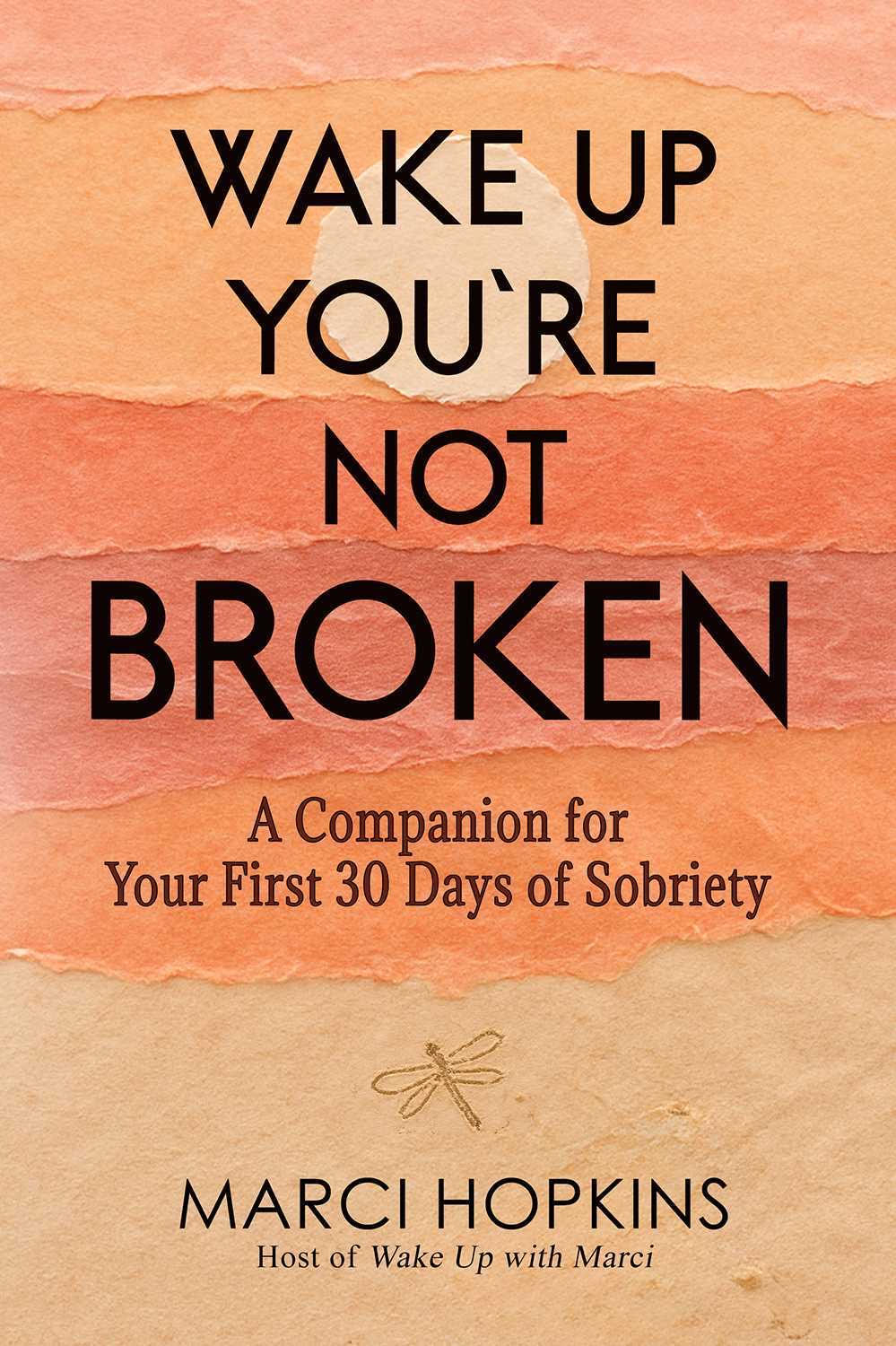
A daily, compassionate guide designed to help individuals through the physical, emotional, and spiritual challenges of early recovery.