-198Days
-22Hours
-33Minutes
-39Seconds





Today’s conversation is a reminder that healing doesn’t begin with having all the answers. It begins with honesty, surrender, and the courage to ask for more. What is one step someone can take today if they’re scared to ask for help? You know, one of my favorite notions is that no one is you and that is your superpower. You are doing amazing things through recovery centers of America. we start looking with compassion to people with the disease. It makes it so much easier for us to help them to understand them and you know that anger melts away a bit as well. This is Michelle. She’s the chief growth officer of Recovery Centers of America and a woman who rebuilt her life from addiction to purpose. With 16 years of sobriety and over 25 years in healthcare leadership, Michelle is helping save lives because she once had to save her own. If you’ve ever felt trapped by your past or unsure you could start again, this conversation will change how you see what’s possible. There’s a difference of saying, “Okay, I’m going to try to get sober.” Or there’s the difference of that real surrender and you are really ready. So true. Because until you have that little surrender, you know, the white knuckling it, the desire really goes away. What have you gotten through before? Cuz if you’ve gotten through hard things before, and I know you have, you’re going to be able to do it again.
Hello l and welcome back to Wake Up with Marcy. I’m your host, Marcy Hopkins, speaker, author, and recovery advocate. And this is a space where we have real conversations, raw healing, and honest stories that remind you of who you truly are. This show is about waking up to your worth, letting go of what no longer serves you, and remembering that you are not broken. You are becoming. If you’ve ever felt stuck, overwhelmed, or silently struggling, you are not alone here. And I’m so grateful you are here. And today I am honored to be joined by Michelle Cals, Chief Growth Officer of Recovery Centers of America. Michelle brings over 25 years of leadership experience in healthc care. And more importantly, she brings 16 years of sobriety and a powerful story of surrender, healing, and transformation. Michelle, thank you so much for being here. Thank you for having me. It’s a pleasure. you are doing incredible work and congratulations on 16 years. Thank you. It’s It’s hard to believe. I remember when I first went into recovery and someone said they’ve been sober for two weeks and I I just couldn’t fathom what two weeks looked like and then, you know, one day at a time you wake up and it’s it’s 16 years. I I get you because I’m over 10 years now, 10 years sober. And when I have interviews with people or talk with people and it takes you back. I have a new book coming out about that first 30 days of sobriety and whoa I I mean I could never have imagined that I’d be where I am today. H congratulations. And it is just truly a beautiful life when you get to the other side. It really is.
So I want to rewind a little bit and before that executive title and before the leadership role all that you’re doing like amazing work what was going on for you during those years when you were struggling. Yeah. You know work and career was always important to me. something that I held in in high regard and I was stuck and I just wasn’t getting to the the next level and personally I was, you know, not doing well at all and I really couldn’t piece together why. I knew life was not going well, but I really didn’t know why. And I found myself just in a a very unhealthy relationship and I found myself drinking more and more. And really to me what I thought is this is how I feel better. This is how I do better. This is how I alleviate the stress. It makes me feel good. And you know that was my mindset. And Marcy, I got to a point where I one day I just I wasn’t getting anywhere. I looked in the mirror and I I could not recognize who I was. I just didn’t know who I was. And that was disturbing. And then later at actually a a corporate Christmas party, I went that night and I I really wanted this promotion. It was at the CEO of the company’s house and I all day obsessed about it in my head. I’m going to have two glasses of wine. No more. I’m going to make sure that I eat. Had a beautiful cocktail dress. Like went into the party and and long story short, I ended up in a blackout and I didn’t want to drink. And that was maybe one of the differences between that and the many other times where I was completely baffled. I didn’t know how I got to that point. And I think the the fear of losing a job or what I had done really drove me into a bit of a surrender where I found myself in a 12step program. Did you stop drinking right after that occurred at that Christmas party? I did. That was my last drink. And yeah, that was in 2009. And I I didn’t know that it was my last drink. And I I you know, was starting to think that, you know, I have a problem here. But it was the last time I drank. I went into 12step group. And I had been at, you know, a mansion in an affluent part of town the night before. Found myself in this kind of club with a bunch of old guys. And I thought, “Oh, you know, what am I doing here? This is the worst day of my life.” And I listened to them talk and you know they said I didn’t think I had anything in common with them. And then one of them said once I start drinking I lose all ability and control to stop. And it just hit me like a ton of bricks. Me too. And it’s confusing to me, but the only thing that I think happened differently at that time is I had complete surrender and I was honest and I said, you know, this is the only thing that makes me feel better and I don’t want to be an alcoholic. Like that’s what I said. And of course, they said keep coming back. And so I thought I’d give it a shot for, you know, a bit. And yeah, but never went back. Incredible.
So, I want to I want to talk about that surrender because that’s such an important place to expand, but I want to go back to your childhood. Did you have trauma or a reason you were drinking when you were in those younger years or did this happen for you later in life? you know, I did my parents divorced um when I was at a very young age and this was in the 70s and it wasn’t common in a small town Iowa and I think you know that would be the basis of most of my childhood trauma. However, I I’m a teen mom and rushed into a rushed into a marriage that you know just wasn’t a healthy marriage. It would end up being an abusive marriage and I think that’s where a bulk of the trauma started. And I remember um not really noticing the alcohol problem until I was in my 30s when I separated from my husband and I started to go out and go to bars and I was like, “Oh, I’m on to something.” Like I had drank before and I didn’t stop. But I think it was the trauma of of the marriage and the teen mom and and the things that I went through at that time that I was moving towards the alcohol for relief. I think that there are a lot of women out there that maybe drinking wasn’t much of a problem. Like for me it was all my life. I mean I started drinking at 12 years old. I had a lot of trauma. So that was my path. But there are a lot of women out there that go through a trauma of a bad marriage, divorce, and then they turn to alcohol to numb, right? To release the pain that they’re having and not not face it really is what it comes down to. And then that drinking slowly escalates and then we become dependent on it. Now, a lot of times I think people they don’t understand and one thing you said is I don’t want to be an alcoholic. I’ve never heard anybody say I want to be an alcoholic, right? I don’t want to be an alcoholic, you know, and this was something that was rampant in my family. And I I knew I didn’t want to be my mom, but I was becoming my mother. But so when you you recognized that you’re you’re going to the bars, you’re like, “Wow, I’m having fun, right? Like this is the first time I’m getting out of I don’t want to deal with what I just went through and and you have all the scars from it.” And then you’ve recognized that now it’s it’s kind of that slippery slope for yourself and that that final blackout happened. Yeah. What to you is surrender? Because this is something I speak about a lot because people think of surrendering as raising the white flag and losing something, right? Yes. But surrendering in this capacity is a beautiful beautiful thing and shows a lot of strength. So can you share more on surrendering? Yeah. uh at the point where you realize that my life is unmanageable. I’ve tried every different way to slice this to drink like it’s just not working. And a lot of especially as females and we’re, you know, a lot of us are in uh positions that uh leadership positions where we don’t want to back down. We can do it ourselves is really that moment of courage. like it just takes an extreme amount of courage to say I I give up. I don’t know what to do, but life is not working. I’m to the point where I’m uncomfortable. And so that original surrender is very hard. And I think that’s what keeps most people from recovery or or trying because it’s it’s very hard to admit that, you know, I’m broken. I’m not like the girls having a glass of wine after work on the patio. there something very different happens to me and also you know just it’s hard work because it’s internal work you must look at yourself and that’s that’s not easy to do so yeah you know it’s the hard part.
I went through the 12step program myself and there’s a lot of people I want to say that a lot of people that aren’t drinking that are white knuckling it and they’re not going through the steps or they’re not healing themselves. And so that’s what we call a dry drunk, right? They’re still angry. They’re still going through all of those negative emotions that they were once masking with the alcohol, but now they’re not masking it and they’re just angry. But when I literally did the work and started looking at myself, going within becoming spiritually fit, the healing from my trauma really began and that’s the beauty within the 12 steps or going through a real healing journey. So like again, it’s not just stopping drinking. It’s that healing journey, finding what works for you to release what what you were drinking over, right? Yeah. Yeah. Yeah. And it’s exactly it’s not easy, but it it is all like looking at yourself, not the people that you blame for the trauma or things that that happened to you, but really looking um internally. And then I know the total surrender which is in the the third step. I remember feeling this weight of the world falling off my shoulders because I thought I held it like so tightly like I had to control the you know I was the queen of the world which is ridiculous when you think about it but I like the analogy of the Rubik’s cube where I’m just trying to Rubik’s cube everything to death you know I’m just like how do I do this I work I I still do that in my recovery and then I remember like there’s a point of surrender where I can’t have control over everything and I just have to look at what I can do. And I think as women, we a lot of times feel like we have to do everything on our own. It’s a weakness to ask for help. I mean, that’s another thing I speak on. Giving people permission to ask for help without guilt. And that was a hard one for me, too, cuz I felt like I had to do it all. And and and that was up to the the final moment that I stopped drinking. And and I love what you said, the weight of the world came off your shoulders in step three. Well, for me, when I surrendered and my husband embraced me and I felt love for the first time, that is where the weight of the world came off my shoulders. And there were so many lies that I was living in and so much pain and anguish. And you know, you just have to be ready too. You got to be ready for this because when you complete there’s a difference of saying okay I’m going to try to get sober right or there’s the difference of that real surrender and you are really ready. Yeah. And that’s why they you hear over and over, you have to be willing. And I think that’s so true because until you have that total surrender, you know, the white knuckling it, the desire really goes away. Like it just I remember a point where the obsession was was gone and it just felt so amazing. I was at a concert. It was the Dixie Chicks and the Eagles and it was in a a baseball stadium and the beer man was coming around, you know, and and I was like, I don’t drink. And suddenly the sky looked clear, the I could see the instruments, I could hear the music, like I wasn’t worried about the alcohol and everything seemed so clear. And I remember having such a moment of euphoria that like I didn’t need that anymore. And I was experiencing the moment. Yeah.
So, let’s talk about that because so many of us and me included, I thought, how am I going to have fun without alcohol, right? Like knew no other way. And I also thought it brought out the best in me, which is so crazy. But, you know, for those out there like sitting in this and you you I I’ll never forget it was my first 90 days, right? So I had committed to the 90 and 90 days, 90 millions and 90 days. And of course the the holidays were in the middle of that and I probably was at around 65 70 and Thanksgiving happened and this was a big family reunion with my husband’s family. Everyone’s drinking. I was big part of that drinking and having fun. And here now I am trying to find a meeting on Thanksgiving Day and and feeling like, oh my god, if I don’t make it a meeting, I’m gonna fail, right? I’m failing. And then not only that, there was a wedding over that same weekend that I had to go to that one of the family members was having. And I remember being at that wedding and I love to dance. And I’m up on the dance floor and my legs are shaky. I’m not really feeling the music and I’m thinking to myself, am I ever ever going to be comfortable in in this sobriety and have fun again? And just like you said, like you were there, there was that euphoric moment and I now I will be skipping on the beach or like there is just this joy inside of me now that is absolutely phenomenal. And that’s what I want people to hear that you may think you’re never going to have fun again, but it actually the fun is beyond anything you can imagine once you get your footing around this. I think that I even thought like how am I going to do laundry? I used to do laundry and and drink wine, you know, right? And business dinners. like I thought the world would stop if I didn’t order an alcoholic drink. And I read a story about Joe Walsh. And when he first became sober, he thought, well, I can’t be I can’t play guitar. I can’t be a musician without this. And uh the truth is it made him um better musician. That gave me some hope of getting to the other side. I remember in early recovery women as you know, telling me they it was fun and they laughed and they they do all these things together. And after a meeting, we went to an Applebee’s and I just was so uncomfortable being there and I wanted to leave. It almost made me angry. And then another time someone was getting married in my first 90 days and they had a like a bachelorette party at a bar and it really felt like going to a swimming party and like full jeans and a sweater and you know it just it felt very strange to me. But, you know, it’s one of those things that if you do the work and move past it, like anything, it’s not going to be easy. But someone kept reminding me like, you know, when you do this hard work and you do this uncomfortable work, there’s something beautiful on the other side. And so, I held on to that promise to keep doing it. And I um am married to a musician. So I do often like find myself in a bar like with live music dancing which I never thought I could do, you know, like and in and having a good time and not really even thinking. I mean I don’t really think about it now. So I think it’s one of those things that that takes practice, but what I would say to anyone is like I promise you life will be so much better and you’ll have so much more fun than what you think is fun. Yeah. Yeah. Yeah.
So tell us like really what worked for you in the healing process. I heard the phrase that we think that are problems of our own making. So it gives you action. So there’s action steps that you take. And I think what worked for me is really getting honest and looking at what I was doing. you know, even saying like, “I don’t want to be an alcoholic.” Or like in another meeting explaining how I think martinis are beautiful when the sweat beats off the GL. Like I was just being honest. They were like, “Just be honest.” And I was like, “Okay, here it is. I think I’m too good to be in this room right now.” But I Yeah, just being honest like started being um such a relief. And you know, the phrase that the truth will set you free is just so true. like when all of it is just out, there’s nothing holding you back. And someone said, you know, imagine being anywhere in public, running into anyone, and just, you know, not having a a care in the world. And I really started to dig deep and look at myself. And I remember saying, well, I don’t really have any resentments. I’m fine. You know, everything’s pretty good. But, you know, that’s that’s not real. And that’s the kind of work that you have to do to um dig in and think deep and that’s where the magic happens and that’s where the you know like you said spiritually fit like we all have a big hole and I know when I’m spiritually fit because I start turning to something it might not be alcohol but it might be food or it might be you know working working around the clock or you know it’s something and then I have to say like wait a minute I’m trying to avoid something and setting with your feelings, especially when they’re uncomfortable. Like just sitting in that is so foreign to people in addiction. It was very foreign to me. And what I realized is I could sit in it and I could feel it, but it was okay. It didn’t last forever and eventually it went away or even being h happy and taking a minute to feel the joy was new to me. And so I think setting in your feelings is is a big big part of it. It’s a huge part of it. I mean feeling joy, feeling a sense of accomplishment, celebrating my wins big or small. It was always like what’s next? What’s next? Right. Right. Like that hamster wheel. Never staying with a a sense of that happiness. And then also even when things happen that that are bad but really at the end of the day aren’t that bad because so much of what we do is we beat ourselves up in our head or we worry, we have fear, we make things worse than they are. I have I’ll tell a little story the other day. I started questioning even what I do right now, right? Like, so it doesn’t even matter where you are in in your position in life, you’re still going to question things that are going on and you’re going to have a bad day. And so I I started like going like, “God, am I am I doing enough? Maybe I shouldn’t do this anymore.” Just right like every every question like feeling a failure, but knowing in realistically I wasn’t a failure, right? Like I’m doing the things. And when that happened before, I would have drank. I would have drank. I would have had a pity party and just felt so sorry for myself. But the wonderful thing through this process is you learn the tools. You know how to shift your mind from understanding what’s going through, right? like you can look at it, you can understand it, you can feel it, you can process it. And for me, I do meditation. I pray, I connect to my higher power and know that like, okay, I may feel down right now, but tomorrow I’m going to wake up and I have a new day and I can start over and I know it’s not going to be forever. That’s yeah, this two shall pass is a phrase I should really tattoo onto my body because we always forget, right? Like when we’re feeling in it and it feels like it’s going to be forever like it it will pass. And those negative self-t talk feelings that we have, you know, will pass and and lose their power when you say them out loud because, you know, you’re saying that to me now and I’m I’m looking at you seeing something completely different. And so hitting that pause button so important. Yeah. Yeah. And and it’s just just understanding that life is going to happen and recognize things that have happened in your past like you’re saying like it too shall pass. What have you gotten through before? Because if you’ve gotten through hard things before and I know you have, you’re going to be able to do it again. is just reframing how you look at it, right? Like what am I what am I learning from this right now, right? So, I love I love this conversation and and I feel like I could talk to you all day, but let’s let’s talk about somebody that’s out there right now and maybe they’re thinking about it, maybe they’re new. What is one step someone can take today if they’re scared to ask for help? Yeah, I think that and that really is the first step. So, there are so many resources out there and you know, AA and 12step programs and NA like it’s so easy to get in touch and and go to a meeting and you know it’s it’s free. It it doesn’t cost anything. So, that’s a great way. um a lot of resources like I’m sure the archives of your your show and you can see other people who are like you and and I think once you put it out there it loses its power and that’s really where where it begins. So I think that you know one of my favorite notions is that no one is you and that is your superpower. And it’s so true with all of us. Like even when we have moments where we’re not perfect and and we need help, like if you can start with that and love yourself enough to ask for help, it’s it’s so important. And not even knowing that in the future that will give you the power to help so many other people who are at the same place where you are in that moment. Yeah. I talk a lot about owning your story, right? because we’re so afraid to share our story, especially in the beginning because of judgment. And a lot of people say I’m so strong and because I’m vulnerable and because I share my story. But I share my story because I want to diffuse the power that our stories that we think that our stories have over us and and what people are going to think about us. And our stories save other people’s lives. And as we tell our stories, we are helping ourselves to recover also. And and so owning your story, it helps us it helps us to rebuild that confidence, that self-worth and knowing who we are and and that we are worthy. So, you know, own that story. Own that story. Even if the story doesn’t look good right now, but keep on going. and uh you are doing amazing things through Recovery Centers of America. Can you share it with us about that? I mean, that’s a resource right there. Well, it really is. And you know, the the path that led me to my job at at Recovery Centers of America and and chief growth officer would not have happened without that 16 years of recovery. during that time that 16 years like I earned a bachelor’s degree a master’s degree and started moving up in my career and the fact that I’m in a um I’ve always been in healthcare but in a recovery based business and what I believe to be the best um available at recovery centers of America. We have 14 uh treatment centers in the northeast, southwest and in the midwest. And we have a our contact center we call it the mission center. So, we have operators 24 hours a day, seven days a week who answer the phone. So, um 1 800 recovery. It’s it’s easy to remember. I mean, just call, reach out. Someone will pick up the phone and and meet you where you’re at with absolutely no judgment and just hear what it is that that you need. We have different levels of care from we have detox, we have residential treatment, PHP, IOP and the resources available um to get you started in the help on on your journey that you need. I think that’s amazing and so grateful that that you do have that and and across the United States. So, can you tell us what the what the process is for Recovery Centers of America? Yeah, it’s a it’s a rather short assessment. They’ll ask you, the treatment advisor will ask a few questions about um what’s happening now and and um where you are and ask some um health questions and uh to do an assessment. And then there’s a verification of benefits for insurance business and they will um answer any questions that you have and and um if you’re a right fit we can move people from call to directly into treatment within one hour. And so we have transportation services, we have everything to break down the barriers and get you started when you’re ready to start. So tell us about the the benefits. Is there is there a lot of help out there when it comes to insurance? Yeah, insurance we accept um most commercial insuranceances. So, yeah, there that is part of it and it’s what most people use at RCA for for um their treatment stay.
So, what would you say to families out there that are struggling with someone they love? What can they do? not just getting someone into recovery, but I I like for family members to understand you you can’t make anyone get sober. And so, what would you say to families out there that are helping a loved one? Yeah. Well, and at RCA, we have family members calling into our mission center every day, and we do have a department called family support services where they will work with families to help with intervention. So that’s just part of the the service that we provide. So that is an option as well. But there is, you know, with the person needs to be willing to willing to get help too. But I think um working with someone who does this day in and day out can help with how the family members approached and what they can do. So, let’s say that there are family members out there and they’re just they’re enabling their loved one because they know no other way, right? Like my mother was an alcoholic. She died from her addiction. She tried she was incarcerated multiple times because of DUIs, went through multiple rehabs, went through halfway houses and and struggled all through her well through her addiction. And for me, like for instance, I got sober and I wanted so much like I saw that what I had and what was happening for me and I wanted that so badly for my mother, right? And through the 12step program, they would just say there’s nothing you can do, right? Just to to help her and hopefully she sees and and learns through your experience. And she did actually at one time say, you know, I see what you have and I want that. But for someone out there, a parent or a sibling or whoever it may be, like a loved one, right? You’re you’re married to to someone that has an addiction like like my husband, but you know, you you can’t just say to someone, you have a drinking problem and you need to do something about it, right? Because I would just drink at my husband. I would just be in anger. So what are what are some approaches that somebody can take? Yeah, I think the the biggest thing is working on yourself. So the person who is enabling and does have the family member, it might be shocking to hear, but the best way that you can help them is to work on yourself and what you can control. And I think that, you know, that’s the basis of where it starts. And there there are 12step programs um Alanon and um adult children codependency there there are a lot of 12step programs and really it begins with that self what you can do what you can control which is the serenity prayer is like we’re doing the self work which is hard to hear when it’s like but this person is doing this thing and it’s not healthy and I need them to get better but I think that’s the best way to start. I think that knowing that, letting them know that you’re supportive of them getting help and if there’s anything that that you can do to help, let them know. I think talking to them when they’re at a moment of, you know, of despair is usually the the best time when they’re at a point where they’re like, “This is not working for me anymore.” But to the short answer like really just you know focusing inward on yourself and and how you can help yourself because we do get sick when we’re around um people. I have a a daughter that is that way and I thought, oh well, we can be mother daughter in these programs and it’s going to be this great success story and as many women as I’ve sponsored, you know, it’s my own child that it’s so frustrating. I can’t help but I work on me and what I can do and how I react to it. And I love what you’re saying and this is a big lesson I’ve learned is that we can only control ourselves and I’ve had to really and the only thing we can change is ourselves. So trying to control others is maddening because you can’t. You cannot. And it is so hard to love someone with an addiction. And I I feel like, you know, we’re we’re seeing all all different sides and and this is a genetic disease also.
Can you talk to us a little bit about the understanding that this is a disease? How is this a disease? Well, when we in, you know, at Recovery Centers of America when an employee starts, we have a we have this actually class and course where we talk about it. It is hard for some people to understand because it seems like well why don’t you just quit drinking? You keep getting in trouble. You keep doing it again. Um it’s hard to have that um same compassion. But as I mentioned when I came in the thing that was so different about how I drank is once I stopped I I could not stop. I like lost all control to to stop. And you know, I did look at it as a a character defect rather than I have a disease and I can’t put alcohol in my body in any way, shape or form. But when we start looking with compassion um to people with the disease, it makes it so much easier for us to help them to understand them and you know that anger melts away a bit as well. It takes, you know, treatment. It takes work to get better. I know that if I were to take a drink today, I would, you know, go right back into it worse than before and and would die. And so, it’s it’s very serious and so it has to be um treated as such. And that’s why we have medical professionals and and you know, helping us with it and knowing what to do next. We’re wired differently, you know, and some people can can, you know, drink socially or or occasionally and and some can’t, right? And this is a disease of the mind, right? It’s a mental health disease and but the fact is is that it is a disease and and it needs to be respected in that way. the gentleman that founded Shatterproof, his story, his his son was around 16, 17 and he had alcoholism or substance use disorder and his good friend was diagnosed with cancer. And so the difference is the community rallies together to support this young man that has cancer. Yeah. And then the young man that has the disease of substance use disorder is held in the home shame for nobody to know. Right? And that’s why it’s so important that we have these conversations and why this work is so important to me to bash the stigma around this disease. And we need to get educated. There’s no other way for us to know what to do, what is happening to our bodies. There’s all sorts of chemical, neuroscience. There’s so many things that happen just like any disease. So, just getting educated, educate yourself if this is something that’s happening within your your family. Um, I myself didn’t and and I wish that I had done more because I know I I ended up cutting my mother out. Now that I understand this disease more, it breaks my heart. Maybe that’s not the right thing to do. What do you say to the hard love and cutting someone out? Yeah. Well, I think there’s a a way to detach and hold boundaries, having a a loving approach and and to know that you are there when they’re when they are ready. So, I think there’s a a balance and there’s a there’s a great pamphlet that that Alanon puts out with lovingly detached. So, it it doesn’t have to be I completely cut you out of my life, but you do need to take care of yourself and set boundaries and make sure that you’re taking care of of who you are. And I think that that’s where the the confusion probably sets in or or perhaps the I hear you. I go through it all the time. It’s really hard for me having a loved one and, you know, wanting to reach out and be there and help, but also knowing that you can’t let them pull you under the water. you both drown. Yeah. Yeah, that’s perfect. But that the one key thing is that they know that you’re there when they’re ready, right? So loving but with boundaries. Yes.
So if someone’s watching today and they could take one step towards waking up to their worth, what would you suggest that step to be for them? Yeah. Well, I I tell people when they call us, when you call that 1800 recovery, like that first step and they, you know, they’re thinking, well, what about work or I have children or what am I going to do with my dog? Like everything that that pops up, like we can help you work through that. But what I want to tell them is I am so excited for you right now because they don’t even know how much, you know, different that their life is going to be and how it can catapult you into something that you never ever dreamed of a place that you could be. You know, I mentioned that when I went into my first meeting, I didn’t want to be an alcoholic and I didn’t. But now in hindsight, it is the best thing that has ever happened to me. It is given. Yeah. I mean, it gives me like it gives me, you know, purpose. It gives me, you know, self-discovery, reflection, tools, and I love the notion that I will never ever be alone. Like, we just recently met. And I know that we have a connection. Yeah. There’s nowhere on this planet in any country that I can go and not have a group of like people. You know, we’re we’re one of many. And that’s the beauty of it. But it ended up being the best thing that ever happened to me. And I I love it. I It’s It’s a better high than I’ve ever had anywhere else before. And I I don’t desire it anymore. But it wasn’t like that at first. You know, it rough and you and you have to go through the work and it’s it’s hard to understand and things like surrender don’t seem intuitive. But I get really excited when people call in and even when they’re saying like, you know, gosh, I’m a disaster. like, you know, very selfdeprecating. And one of the things that we say is like the good news is you don’t you don’t have to do that anymore. Like that’s over there. Like it’s a new um you’ve got plenty of people here to help you. And it’s almost exciting when they start their journey. They probably don’t like to hear how excited I am for them, but I am. It’s a good thing when you It’s a good thing. Well, that shame keeps you sick. That is for sure. Yes. So, thank you so much for coming on the show. It has been such an honor and just so grateful to have had this opportunity with you. Oh, thank you so much. It’s been so nice hearing about you and your story and just reminding me where we are and where we are today and keep up the good work and reaching the people that you do. Yeah, 100%.
So today’s conversation is a reminder that healing doesn’t begin with having all the answers. It begins with honesty, surrender, and the courage to ask for more. If something in this episode stirred your heart, please know that it wasn’t by accident. You are not weak for struggling. You are not broken for needing support. And you are never alone on this journey. Real healing happens when we stop running. Start telling the truth and allow ourselves to be seen. If you or someone you love is struggling with addiction or mental health, help is available. Please reach out to Recovery Centers of America at 1 800 recovery to learn more about the treatment options across the country. And if this conversation resonated with you, please like this episode, share it with someone who may need to hear this message today and comment below with what stood out for you because your engagement helps this message reach the people who need it most. And your share could be the reason someone asked for help. And remember, waking up to your worth isn’t about fixing yourself. It’s about coming home to who you already are. Until next time, we have a new episode every Thursday. Please be gentle with yourself, stay honest, and keep waking up to your worth. Thank you all for tuning in.

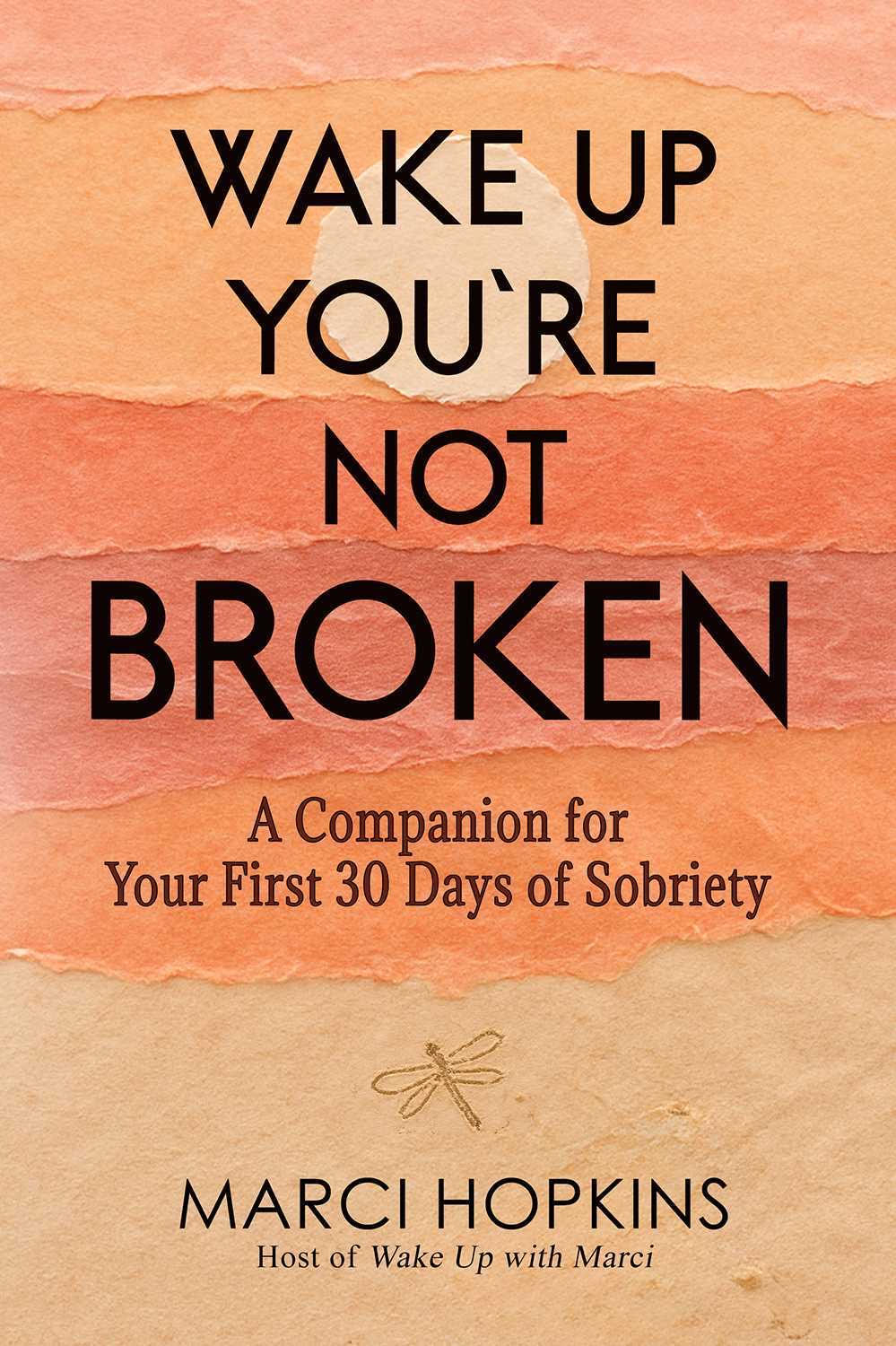
A daily, compassionate guide designed to help individuals through the physical, emotional, and spiritual challenges of early recovery.