-198Days
-12Hours
-37Minutes
-21Seconds





Welcome to Wake Up with Marcy, a deep dive into self-discovery. I’m your host, Marcy Hopkins, and this is the space where we get real about life, transformation, and finding our true selves. Hello and welcome back to Wake Up with Marcy. I’m your host, Marcy Hopkins, and this is a podcast dedicated to women seeking self-discovery, parenting insights, mental wellness, and tools for navigating life transitions through expert interviews, real life stories, and actionable advice. We create a safe space where women can heal, grow, and truly thrive. Each episode we take a deep dive into what it means to reconnect with yourself to wake up to your worth, your voice, and your truth. And today’s guest is a powerful example of what that journey can look like, especially when life delivers the unexpected.
Debrier is a communications expert, seasoned entrepreneur, and host of the Business Power Hour. But her world changed dramatically when she was diagnosed with stage 4 triple positive breast cancer and thyroid cancer. What began as a diagnosis became a calling. Deb now leads trying not to die. Uh a deeply personal platform that empowers individuals navigating the cancer journey with courage, community, and clarity. In this episode, Deb shares how self-discovery, vulnerability, and resilience helped her move through shock and into service. If you’ve ever faced a moment that broke you open or needed permission to stop being strong for everyone else, this is for you. So, let’s dive in. Deb, welcome to Wake Up with Marcy. Oh my gosh, Marcy, I am so delighted to be here. um and very honored to be on your program. So, thank you so much for this opportunity. Thank you. Thank you. And just for being so open and vulnerable. I tell you like when we are so vulnerable in our stories, that’s where the real change happens. So, thank you for doing that for others. Well, thank you. You know, and I tell people I’ll answer any question. I’ll I’ll do whatever. But I also understand why especially say with a cancer diagnosis, somebody might not want to share that information. You know, maybe they’re a business owner and they’re thinking people aren’t going to want to work with me or I’m going to get fired or whatever. And so it’s it is a very challenging to say the least journey, right?
H Well, let’s dive in. So take us back where you were told your cancer had progressed from stage zero stage four. I mean what did that feel like? Where were you at? Like what happened? Oh my god. I can’t even imagine that happening. Well, and to to go a little further back 30ish years, I worked for the American Cancer Society and I worked for an oncologist. So I know just enough to be dangerous, right? I see those words metastatic and I know what it means. Um yeah, I was initially diagnosed stage zero which basically meant precancerous cells are present. Let’s watch. Okay. And so did that for several months. Didn’t even have an oncologist and but I did have a breast surgeon because we had thought you know at some point probably going to have to do something and she finally said um let’s let’s pull some lymph nodes. Let’s just make sure because some of the other tests were inconclusive. You know, I had an MRI and the lymph nodes on the bad side lit up which that’s obviously danger danger. Well, but I also on my entire arm had a nasty case of poison ivy. So maybe the lymph nodes were just doing what they’re supposed to be doing, right? Um so she said, you know, let’s pull some lymph nodes. And I remember she came into the recovery room and said, “Well, this is not good news.” Because we’ve done some other biopsies and those came back negative. And and she said, “Eight of 12 lymph nodes that we took out are positive for cancer.” And so at that point, they said, “Okay, it’s stage three.” And I remember I was annoyed. I was just annoyed. not at her, I mean, you know, but um and and so obviously got the got the oncologist.
I decided that for me the best course of treatment would be the traditional approach. Everybody’s different. Um and so I was going to do chemo, I was going to do surgery, I was going to do radiation. Um did uh the chemo first and in amongst all of that because I I got catastrophic complications. Um, I was inches as then the doctors were fighting over how fast I was going to die that day. Um, oh my god. And and so I ended up in the hospital for for a long time about seven weeks in and out of surgery, in and out of ICU, but somewhere in there I I told somebody, you know, my rib hurts and it was the rib on the bad side. Yeah. And so we did and that’s not normal. Is that right? Not you know. And so, um, yeah, because with everything else I had going on, it was weird that I had this this and it was very clearly a spot, not an ache. It was like it hurts right here. Um, and so we did do a bone biopsy. Those are really fun. Um, and um, and I I made the mistake of opening my eyes at the wrong time and seeing the drill because I mean, they’re going into your bone. Um and um but that came back as the the technical medical term inconclusive. So that was when they said yeah so it might have been cancer might not have been cancer but my oncologist who I absolutely love said you know what we’re calling it stage four because then we can pretty much do whatever treatment we want to do. um you know and and so um you know and and yeah so it’s it went in the the course of about 5 months from you’re okay to holy crap.
So, but when you So, did you just go in for a breast exam? And when you said you had precancerous like I did determine you had precancerous, you know, I had mamogram, you know, I’m a good kid. I go for my annual mamogram and I live five minutes from the hospital, which actually was good when I started to almost die, right? Um, but I wasn’t even home and the mimography center called and said, “You need to come back.” Okay. Now, I knew that was not I didn’t smile pretty. Um, you know, it’s there’s there’s an issue. Um, you know, and of course, all of these texts, they’re very well trained. They are not supposed to give any indication that holy cow, there’s something going on. So, what they said I had was microcalcifications. And I was like, okay, wait a minute. I’ve been told I have calcifications. That’s scary. Yeah, it’s and and so what do I do? I go to Dr. Google, right? Um Yeah. And discovered that almost every woman, if not every woman, over a certain age have these calcifications happens when the hormones in your body change. Very natural, normal process. Um but because I have to be special, mine had started to clump together and that’s where the problem comes in. Um but even at that that you know most the time there’s not an issue. Uh but you know somehow mine decided that it was they were just going to be cranky and we were going to go beyond the you know the the normal because like I said I have to be special.
Well I I’m telling you thank you for being upbeat about it. I guess what else are you going to do right now? I mean I know. Uh, so I I don’t want to fast forward too fast because and we will talk about why you are the way that you are today, but so at that time so you’re in the hospital all this time and what happened like did you have surgery? Did you have your breasts removed? Like what happened? So the the initial problem was uh chemotherapy and and like I said I decided to have the standard protocol and so it was eight different drugs um because it needed you know these little bobbers were floating throughout my body. So um you know and the thought process was we needed to attack them before we ever did any type of surgery or radiation. It was the whole body thing. And so I had these massive doses of chemotherapy and I remember it was right before Halloween because Halloween came I, you know, and it was an eight-hour treatment. I discovered that you can have food delivered to an infusion room from Jimmy John’s. They brought my lunch, right? Um and so um you know, I handed out candy to the trick-or-treaters, was just fine. And then a couple days later thought, nah, I didn’t feel good. But I just had eight different chemo drugs. I mean all these things and you know and and so called in because I started running a temperature and you know called into the doctor and they in essence said take Tylenol because it was a very lowgrade fever. Pretty common. But the thing is folks always always always talk to your doctor. Don’t and heaven forbid don’t do Dr. Google. Um please don’t do that. Yeah. Yeah. You know and um and then you know a day went by and my husband went to work. I mean, you know, we just were figuring everything was was fine. And then I called and I said, “I think you need to come home because I started being physically ill.” Again, we’re thinking chemo, not a big deal. Um, and then in the middle of the night or early in the morning, um, this is where my brain gets real fuzzy. I remember telling him, “We got to call an ambulance. There’s there’s something that is not normal.” I had a pain in my side that was excruciating, you know, and I knew that was not normal. And so they come, they lug me off. I’m just like I am now. I mean, you know, the fire department comes. I thought that was great fun. Um, you know, I’m in pain, but I’m still jibber jabbering at these folks, right? And you know, there I’m in the ambulance and and I remember we stopped and I said, “Why are we stopping?” And this very nice EMT said, “Well, it’s a stoplight.” And I said, “I don’t get lights and sirens.” Right? And that’s the last thing I remember for hours. I bottomed out. I did get lights and sirens. Um, and what happened was one of the chemo drugs or the combination or whatever in essence ate a hole through my colon and that ickiness that’s in your colon got into my bloodstream. And so, um, initially it was sepsis, but I I went almost straight into septic shock. And septic shock is fatal about 75% of the time primarily because you don’t really know what’s going on until it’s too late. And and what septic shock does is it attacks the other organs. And you know, I remember it was a a very high-grade fever. I was tacocartic, so my heart rate went up to about 200. Um I was like, I’m going to fly away because my little heart was going right. Yeah. Um and all these things. But then I remember the oncologist and the surgeon out in the hall. And the oncologist was saying to the surgeon, “You need to go in and fix this.” And he said, “Why? She’s going to be dead within the day.” Oh my god. And the oncologist basically went smack to him. And obviously he operated. Um but I do remember thinking, “Excuse me, I get to vote.” Yeah. Um and uh you know and then multiple other surgeries and the complications in in many ways that I’ve had since then are because of septic shock. Um you know it’s uh it has very severely damaged my kidneys. Uh you know some I had uh some other pretty major complications from that.
I can only imagine. Yeah. Oh you know and and I took up residence in the hospital. I mean you know I was there over I it was it was about seven weeks. Um, and you know, had other complications along the way. I mean, I developed blood clots in my lungs. I developed an ulcer, but I I always kept remembering and thinking, I’m getting out of here. This is not going to be the end. Um, and so I was home before Christmas, you know, like I said, you know, I went in very first part of of November. So, I was home before Christmas. Thank heavens Amazon delivers overnight because I was home on Christmas Eve and got stuff delivered for Christmas, right? Because priority Yeah. Well, you’re a priority. But that was my husband was he was like I we didn’t even put up a tree because I mean he was caring for me, right? And and my mother by that point had come out because I’m an only child and you know I was not going to make it. And so you know we had my mom but you know and then kind of go merily along for a while decided that chemo was probably not the thing that we wanted to do. Um and so um I had I had decided to have a double mastctomy and I did not want to have reconstruction. Um I did meet with a plastic surgeon. I decided I’m old. I don’t care. I don’t want more, you know, and so um but I got a complication from that that my surgeon had never seen. Um ended up back in the hospital for for a while, you know, just several things. But again, this whole time I kept just thinking, well, this is stupid, you know? And but like when they first told me that I had cancer, I looked at my doctor and I said, “I’m sorry. I don’t have time for this.” She looked at me like, “You need to make You don’t have a choice. Sorry, Je.” Yeah. Yeah. Yeah. I mean, it’s it was just it was a wild ride.
So, how many years have were you completely clear of cancer now? So in remission or um yeah and and so even though I’ve had other cancers, they’re separate cancers. So it’s very strange. Um but yeah, so I was initially diagnosed in June of 2015. So I am, you know, inches from my 10-year mark, which is one of those things you really want to hit, right? Five years was good. 10 years is good. Um and I am still in active treatment because I could not have chemo. We’re doing several other different things and and so I still go in every 21 days. Um but in in amongst all of that I did have um a spot on my arm. One of the doctors at one point said anything else and I said well you know I got this thing on my arm that won’t heal. Off I go to the dermatologist. And so I had basilc cell carcinoma which was you know very and I tell people hello redhead freckled that did not know what sunscreen was. It was amazing. I never had anything. Yeah. Growing up we didn’t we didn’t. It’s something is very important to Oh yeah. Please get out there and get yourself checked. Body checked. Yes. Yeah. I had I’d never been to a dermatologist with hair and freckles, right? But I watched and Neil made sure. Um and and it to it was very easy. I mean, he didn’t even take a stitch, you know, but now I get to go every six months to and I I call it the strip and spin. And he tells me, “Please don’t call it that.” I’m like, “Well, that’s what it is. I strip, I spin.” Um and anybody who’s ever done this knows what we’re talking about, right? Yes. Um, and then a couple years ago, we were doing a scan, um, just one of the routine scans to check on on breast cancer just to make sure there hadn’t been any other issues. And they said, well, there’s nothing there, but there’s a lesion on your thyroid. And again, I was like, bad words, bad words. Uh, and and so it turned out to be papillary thyroid cancer. They removed my entire thyroid. Um, and but it had not spread, but there were two tumors. Um, so it was, you know, it was it was, you know, an active little thing. and um you know but but it is considered a totally new cancer. It was not a spread from the original cancer. So I’ve had three different types of cancer in 10 years.
My god and you’re let me tell you um thank you. Thank you. Like thank you God that you are here with us and that you’ve gone through so much. But so how emotionally have you dealt with all that you’ve dealt with? I mean we we go through difficult times in our lives. Oh yes. And and you certainly have some worse than others. Yeah. And so I I have a few questions that I want to ask. How how you dealt with this emotionally? What would you say to someone that maybe has been diagnosed? They’re in the early stages. How could you help them emotionally? Well, I was I was angry. I was angry and I was pissed and annoyed and all of those things. Um, I’m not a person who cries ever. I mean, that’s just not Now, did I shed some tears? Yes. But that was just not me. And but what I tell people is honor whatever you are feeling and give yourself the grace to feel that. You know I think especially as women we’re like oh we have to be tough because we have to take care of everybody else right so we don’t give ourselves the grace to feel those emotions. Um and then what happens is they bubble up in other places, right? Um but but yeah, it’s whatever you’re feeling is right for you. And if anybody says, “Well, that’s not right.” Well, no, might not have been right for them. But um but yeah, feel that. And and sometimes it I mean it can be absolutely overwhelming. Um you know, and and and for some people, they actually do need to speak with a therapist or, you know, some type of counselor. I tell people that could be the strongest thing you ever do is to ask somebody for help and don’t ever I always say it’s the best thing you can do. It’s the you showing so much strength when you ask for help. Yep. Yeah. And but yeah, just feel what you’re feeling. Um and know that your loved ones and your friends are struggling with this too. Um you know, a friend of mine Yeah. Yeah. ask you what you could do what you could do about how what can your friends what can your family do to help you because it it it shouldn’t be about you worrying about their feelings what they’re going through and and we do I mean because I could see myself like oh don’t feel this way or you know how trying to help them through it so what what support could you give everyone the family dynamic there. What what can they do? I think, you know, same thing. Recognize that they’re feeling a whole lot of of stuff. Um, and know that they might not be showing it to you, but they’re feeling it. Um, you know, and and and one of the things that that I’ve really discovered is they don’t know what to do. They don’t know what to say. They don’t know how to act. uh you know because they don’t want to make us feel worse. It’s kind you know it’s it’s very similar to when someone passes away. We don’t want to say oh we’re very sorry because then we make them feel bad. Yeah. No, we need to acknowledge it. Now you don’t have to get all gushy and and all of that. But if somebody just says hey Deb, I’m really sorry you’re going through this. Because if they ignore it, what we think in our very little emotional state is they don’t love us. Yeah. And usually that’s the farthest thing from the truth. I know. They’re just too afraid. They don’t want to say the wrong thing. Um maybe they think you don’t want to talk. You’re fine. Right. I’m fine. Yeah.
What would you say to those that what what do you wish people knew during the diagnosis, during the healing process that that you didn’t know even even with all of your experience? Yeah, it’s okay to acknowledge it. It really is. Um, but don’t just say, “Hey, Deb, if there’s something I can do for you, let me know.” Now, I get it. You mean well, right? But my brain can’t grasp anything. And and I’m not going to bother you. I don’t want to be your bother. I don’t want to be a pest. I don’t want to seem like I’m whining. Right. But if it’s, “Hey, Marcy, can I bring you dinner on Friday?” Yes. Yes. Oh my gosh. Now, I might say, “Friday is not good, but can we do Saturday instead or something like that?” Um, you know, but yeah, give concrete things. Uh, you know, I remember uh one of the things that I did, I needed people to take me for walks. You know, I’ve been in the hospital for so long. The doctor said, “You got to get out. you got to get exercise, you know, you need to be outside.” Well, my husband was back at work and I was still using a walker. Can you imagine me with a walker, right? And um and so, you know, toddling, but I also was smart enough to know I should not be toddling up and down the culde-sac road because I could go fud. Um and so I post on Facebook because people had said, “What can we do?” And so I post on Facebook, I need people every day 15, 20 minutes of your time to come and walk me. And then I put leash provided, right? Because you can have fun with it. Um, you know, and and there were some people who couldn’t. I mean, you know, but it did give people the opportunity to say, I can come do this. I can come and take you for a walk. Um, you know, and and but yeah, be specific. And maybe it’s things like, can I take your dog? Can I take your dog for a walk? Um, can I take your kids to a movie? Yes. You know, whatever it is, you know, and and but you know, one of my friends who was was dealing with this, she said her friends showed up with mops and buckets and said, “We’re going to clean your house.” Yeah. And she said I was absolutely mortified. And then I realized my house was a mess and I let them in. Yeah. Yeah. So it is it is so hard especially as women to accept the help because we are the caretaker. We are so used to doing everything on our own and and and taking time like one of the things that I think is so vital is we take self-care time for self-care. Right. It’s the oxygen. Put your oxygen mask on first. Exactly. I always say that. I love that saying. So, it’s just so so important and I love that advice like just come out and and express these are the ways that I can help you. How you know which which one can I do for you or all of them, right?
And another thing is advocating for yourself. And you mentioned this about the surgery. No, she’s gonna die. I know, you better do this surgery. And you’re like, hey, can I have a say in this? Right? Because so many people out there think, well, the doctor said it, so it must be, right? And that is not true. That is not true, and you do need to advocate for yourself. So, Deb, can you speak to that a little bit? Yeah. You know, we do have kind of that white coat fear, you know, all of those various things. And yes, those folks have gone to school for a zillion years, but every cancer is different. You know, I’ve talked to people who have the exact same diagnosis as me, and that’s where the similarity ends. Um, you know, and and so remember that you’re in charge. And and I learned this many years ago from that oncologist that I work for. Absolutely wonderful man. Um, I considered going back. we live in Atlanta and he, you know, I worked for him when we were in Denver and I actually thought about going back until I realized that was 30 years ago and he’s probably not practicing. Um, but he w he was he was an absolutely wonderful man. The empathy that he had was incredible. And there were more than one patient who said, “I’m not going to do this.” And he always made sure that they understood. And then he said, “Now what do I need to do?” Um, you know, and and so he never tried to twist their arms. He tried to make sure they had all the information, but then it was their decision. Um, you know, and that’s how it should be. Yeah. Yes. You know, and for some people, and this is, you know, because again, this is such a personal thing, they may say, I’m not going to do the traditional approach at all. Yes. You know, I’m going to do herbs. I’m going to do natural remedies. I know people who were diagnosed the same year I was who did it all natural and they’re still here. So, you know, it’s it’s all about what do you believe is going to work best for you. Just really know the options and ask ask about them. Oh, yeah.
Yeah. So, let’s talk about what you discovered about yourself through this process. How did you find the strength and and now your mission as to what you’re doing today? Well, there you know, I’ll be honest, there are times where and still I’m like, God, seriously. Um and and I do think, you know, what does the future hold? Well, we don’t know, right? So, I’ve always been now I’m an only child and I’m an only child that grew up in the mountains of Colorado. So, I’ve been pretty independent my entire life. And I had a mother who said, “You’re going to be an independent young woman.” Um, you know, and and so that was was very important. And you know, it it really was you discover truly what you’re made of, you know, and and uh you know, and were there times when I was not, you know, happy with the world? Sure. Uh, you know, and and but you do discover and and you also discover what’s important, right? Um, you know, I’ve been uh being interviewed by a group of students in Pakistan and they’re high school students and and they asked me, you know, what did you discover during this? And I said, you discover what’s important and it’s not money, it’s not the big cars, it’s not the fancy houses, it’s who are your friends, you know, who you know, all of those things. And I lost friends. It was very strange. people I thought would be my biggest advocates dropped off the face of the earth, you know, and that’s their own fear. Yeah. And I thought, oh, well, okay. I mean, yeah, you know, it didn’t it didn’t really upset me that much. I thought, well, I guess that friendship ended, but um but other people who I didn’t even think knew I existed have been some of my show. Yeah. Oh, yeah. Yeah. you know, and so several years ago, I was talking with my business coach, Kathleen Caldwell, absolutely wonderful, wonderful person, and we were talking business stuff, and we’re on Zoom. She knows my whole sorted history, and she shook her finger at me. I thought, “Oh, dear.” And she says, “You didn’t go through everything you went through without using it to help others.” And I said, “Oh, no. Don’t want to be cancer girl.” Um, and she said, “No, you need to do this.” And you know, over the course of several months, she kept nagging at me very gently, you know, and and but I thought, you know, I do this anyway. Doctors call me in when they have students. They call me when they have new patients. I mean, all sorts of things. And and I’ve always been a volunteer, giving back, all those things. And so that was when we thought, okay, let’s start trying not to die. And it’s all about you know when we are facing a challenge you know we get so caught up in trying to not die that we forget that we have to live and it might be a day I mean who knows and but how are we going to live during that time and and so it is it is an online community where we help each other uh you know and and and just support each other along the way because one of the things that people tell me the most is no matter matter what their situation is, they’ve never felt so alone in their life. And I think it’s because lonely. Yeah. Yeah. You know, people don’t understand. I mean, you really don’t understand if you haven’t been through this. Um, and but we also, like we were saying, we don’t want to be a bother. We don’t want to whine. And so, we tell people, I’m fine. And then we get annoyed when they’re, you know, treating us like we’re fine. Yeah. And then the thing is also that a lot of people don’t talk about is what happens after because your body still goes through so much and you’re not the same person. Yeah. Yeah. You know I I am a a a grief coach and a lot of that is because we are grieving. We are grieving that our life changed that our plans changed all of those things. Um, and and then the really weird part is, you know, you’ve gone through all of this and your doctor says, “I don’t need to see you again.” And almost to a person, people have said they still make appointments. And and part of that is because that shadow is always there. We’re always thinking it’s going to come back. Yeah. I was going to ask you, do you live in fear? Like, how do you get past that? Yeah. you know, um I had a scan earlier this year of my thyroid. It was I’m missing thyroid now. Um but and it was just a routine. It was, you know, a year checkup and and you know, online charts, blessing and curse, right? Because, you know, they they release the records in my online chart that says there’s a lesion. Well, I know lession is not a good word, right? Um right. And I I hit the panic button. I text my doctor who very rightly says, “This is probably nothing. Let’s just watch it and I responded and I said, “Oh, no, no, no, no, no. We’re we’re skipping all of this and we’re going straight to needle biopsy.” Yeah. He said, “Let’s wait.” Yeah. And I told my oncologist and she scheduled an appointment with another doctor who said it really was nothing, but he did the tests and he made sure.
Um I I wanted to say to that, um my husband had uh cancer on his nose and but he had a spot originally and the the dermatologist just kept saying just let’s keep a lookout, you know, but he had this like little scab that was never healing, right? Like the thing on my arm, right? And COVID happened. The gentleman ended up re retiring and then he went to another doctor which said, “Oh my god, we got to get this tested right away.” Right. And he ended up having Mo surgery and lost three quarters of his nose. Now, thank God we found a great plastic surgeon and everything’s good now. But my point to that is maybe get a second opinion when somebody says let’s just watch it, right? Yeah. You know, we know our bodies far more than anybody else. And and so we know when something is not right. Um you know, and sometimes if you get a second opinion, it might mean that you have to pay for it yourself. Depends on your insurance, all of those things. Yeah, but you know I and I did get a second opinion at at one point and she said I would have done the exact same things. She said, you know, and and you know, and so that put my mind at ease that we were making the right decisions for for me. Um, you know, and and but again, it’s so, you know, and and don’t be afraid to ask those questions and you might need to take somebody with you because our brains shut off the second you hear the word cancer. We’re like 100%. So, take somebody with you. Don’t hesitate to ask those questions. Um, my oncologist in every room it says do not leave this room if your questions have not been answered. There’s no such thing as a stupid question. You know, all these things, but yeah, take somebody with you because their brain hopefully will will be working a little bit better. Um, and also it’s okay to say, “I’m not sure what to ask right now.” Oh, yeah. You know, yeah. One of the things is ask the doctor. Was there something I should have asked that I didn’t?
Let’s just give a little bit of advice for those out there that when should they start testing? What are some real markers that that guidelines for women so they can start this process to make sure? Yeah. Yeah. They’re kind of a moving target, right? because you know a lot of it depends on your family history on your insurance you know all sorts of things like that but it is important to know your family history uh which you know can be a challenge I mean you know my grandmother had breast cancer but did not talk to anybody about it you know that was just well that’s what we were told they I mean that’s what they were told they were touching her bosoms ah we’re like um but you know go the sooner you start the process the better because for one thing so what’s your recommendation like what is what is 40ish unless you’ve got some family histories um you know it’s gotten even sooner right that we should start our testing yeah and the incidence rates are actually increasing but that’s because we’re catching things so much sooner and of course the sooner you catch it the better the options are um but you know if you feel like there’s something going on you then then tell somebody. And if your doctor is either not paying attention to you or brushing you aside or whatever, then you need a different doctor. Um yeah, you know, and and we kind of laughed about it before with doctor Google folks, don’t self diagnose, you know, and don’t put, you know, somebody the other day said, “Well, what if I put my symptoms into chat GPT?” I made a face. Um you know, and it’s funny. I should try it sometime just to see what it says. But you know, people are still the best thing. Um, but uh, you know, and and and granted AI is catching things a lot earlier. I mean, it was the computer who caught my micro calcifications. They’re so small the human eye could not see it. Um, you know, and so we definitely have to have technology in here. But yeah, you are the you’re in charge. No matter what, you’re in charge. You’re in charge. And and it’s so important that you catch these things earlier to have a chance. Uh so make sure that you are getting tested at least every once a year, right? Yeah. You know, go in and men also prostate cancer screening. Yes. Um you know, get some BL basic blood work done because aside from anything else, you’ve got a nice baseline that shows when you were normal. I’m putting that in my air quotes, right? Um because then when they’re saying, “Hey, there’s something off,” then you can compare um and see, “Oh, okay. Well, this this was what I was five years ago.” And and for some of these tests, yeah, you do it once and then like a colonoscopy, right? You do the colonoscopy and everything’s funky door. You don’t have to do it again for five years or so. Um you know, and but but yeah, you’ve got those nice baselines. And I tell, you know, my doctors will say, “Well, this number’s off.” And I tell them, “You ever consider that maybe I’m just off?” I mean, you know, possibility. Yeah. Yeah. And of course they laugh. They they laugh, of course.
So, what would you say to a woman that’s listening right now and she’s facing something hard and she isn’t sure that she has the strength to keep going? What would you say to that woman? Find somebody to help you. Um, you know, hopefully in person because then, you know, they can go with you to doctor’s appointments, things like that. And you’d be surprised, you know, somebody in your church. Like I said, friends that you didn’t even know really knew you existed might step up, but see who you can reach out to. Um, you know, and and and don’t go it alone. I offered last week to go with somebody to doctor’s appointments and they said, “It’s okay. I’ve got somebody.” And I said, “Well, keep me posted.” um you know and and and sometimes you know like I I go in the exam room you know because then I’ll ask those questions but sometimes they just need a ride um but yeah don’t don’t be afraid to reach out and tell you know tell somebody hey I’m needing some help here I’m struggling here’s what’s going on you know when I first got my diagnosis and and they were you know still a little iffy about what was going on my husband was at work now I called him I mean you know So he knew that. Yeah. But I stopped at I, you know, I got home and I immediately went over to my neighbors. Yeah. Who love dearly and you know, Jen and Sue and they said, “What’s going on?” And I couldn’t say. I handed them the pamphlet that they gave me that said, “You have breast cancer.” And then we all were, you know, kind of little little, you know, but um but yeah, you know, you you don’t have to be alone. You don’t have to do this alone. And you’re not alone. Mhm. Um so so many have gone through this. And get involved in groups and communities and and and reach out to Deb and check check out trying not to die.
Um and I just want to thank you so much, Deb, for sharing your story and your honesty and your vulnerability and your true strength, your journey. It really reminds us like resilience doesn’t mean we have to pretend that we’re okay. It just it’s showing up. Yes. Right. Even even when it’s hard and um and just having grace for yourself and and just acknowledging those feelings. And I just want to say for everyone that’s listening, if you’re facing something that feels bigger than you, grief, burnout, fear, or uncertainty, just know that you’re not broken. And you don’t have to do this alone. And thank God we have people like you, Deb. So connect with Deb, and explore her incredible work at trying not to die. Right. And our Facebook group, uh, there’s a link there to that. Yeah. Fantastic. Because those Facebook groups are lifesavers. Yep. And also your podcast, The Business Power Hour, right? And those are all about courage and clarity. And I just want to say thank you again so much. And um, and if you found value in today’s conversation, I hope that you will please share this with someone who needs encouragement. Uh, always please leave a review because the more that you interact with the show, the more exposure uh it that the algorithm pushes it out so others can see it too, right? Helps in the community, helps others to heal and grow through these conversations. So, I just want to say that we all are in this together. We’re all powerful and when we speak our truth and we ask for help, there is so much strength in that. And so, please honor your journey and who you are. And until next time, I will see you and I hope you have an incredible week and remember to wake up to all of your possibilities. Thank you for tuning in today. And thank you again, Dave.

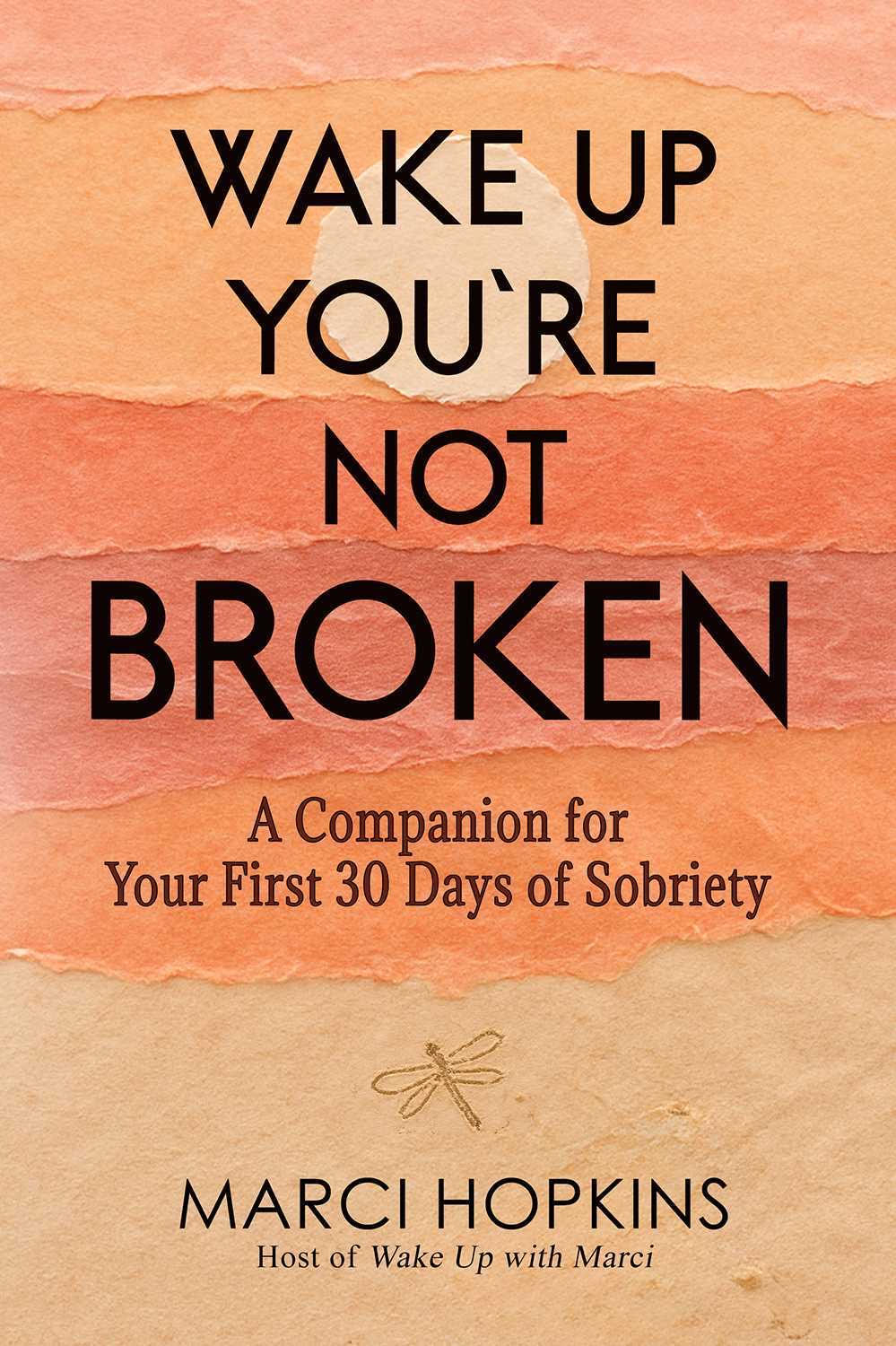
A daily, compassionate guide designed to help individuals through the physical, emotional, and spiritual challenges of early recovery.