-111Days
-6Hours
-59Minutes
-30Seconds





Welcome to Wake Up with Marcy, a deep dive into self-discovery. I’m your host, Marcy Hopkins, and this is the space where we get real about life, transformation, and finding our true selves. Hello all, and welcome back to Wake Up with Marcy, where we have real, raw conversations, explore radical healing, and wake up to our worth. I’m Marcy Hopkins, and I’m so grateful that you are here with us today. We are going to be diving into one of life’s hardest but most often very transformative transitions and that is divorce. Whether you’re navigating it now still healing or supporting someone going through it, this episode is for you. Divorce doesn’t just end a marriage. It can feel like it’s unraveling your identity, your future, and even your self-worth. But what if through the pain there’s also a path to power? Today I’m joined by Kathy Buouford, a seasoned family law attorney with over 30 years of experience and the author of Divorce Matters, a practical and empowering guide for navigating divorce without losing yourself in the process. She has helped countless clients move from heartbreak to healing. and she’s here to help us better understand what to expect, how to protect ourselves legally and emotionally, and how to reclaim our future. So, welcome Kathy to Wake Up. Thank you. I’m glad to be here. Yeah, great to have you.
So, wow. I mean, divorce, it’s frightening. It’s overwhelming. it it’s a tragedy in so many of our lives. But can you share with us one of like what are the biggest misconceptions that people have going into divorce? Wow. Um there’s there’s a lot of them. Um so first like for for time frames um people there it’s either one end of the spectrum or the other. So people who have agreements or are approaching the manner amicably with their spouse, which is always, if possible, the better way to go. Um they’re actually surprised at how fast the process can be. In fact, in some states, including Connecticut, where I work, if you um if you have a full agreement, it’s quite possible to get divorced and you never have to set foot in the courtroom at all. So, they’re very surprised by that because they just assume that it’s going to be a long drawn out event. Uh, on the flip side, that that’s a happy outcome for them. On the flip side, there are many people who are, of course, they’re frustrated. They’re at the end of their marriage. Um, and they want to be done yesterday. Um, and they think it’s going to move quicker than it does. And it they’re just surprised at how long the process takes. And one of the biggest frustrations is that period that we call discovery process where attorneys have to exchange certain financial information at a minimum in order for us to do our due diligence to make sure that everything kind of matches up that nothing there’s no red flags, everything looks okay. In order to get an idea of the financial history and be confident that where we are in the present, we’re we’re okay with. we we know what we’re talking about with the numbers. We don’t have to worry about maybe chasing anything that looks funny or maybe something that happened in the past that we have to deal with. And then we can move forward and start talking about settlement with our clients and then also negotiating it with the attorney. That process of information gathering takes a long time. Um and uh there’s a lot of frustration that comes with that. Um, so getting people, you know, acclimated to the timeline and there’s lots of other things that have to take place before you can reach either an agreement, even in a contested case, we try to reach an agreement or you get to trial. So one of the things that I try to explain and I’ve tried to explain in the book is to kind of take people through that process so that they understand all the different elements and it if they can be prepared for that then that’s one frustration that they shouldn’t have to worry about because they can expect it they can plan for it. I give people a lot of tips on how to um you know what’s probably going to be expected of them what’s going to be asked of them so that they can start gathering that information early. Um people sometimes also you know they underestimate sometimes the adversity that they may face going through divorce. Um, I mean, some people know well in advance that it’s going to be a hard road, but some people are either, you know, either either hopefully optimistic, um, or they’ve been tricked into thinking that this was going to be an easy process. And then they are surprised by there’s a lot of roadblocks that a spouse can can place. And again, one of those things dealing with the discovery process is not producing information or withholding information from the other party. So again, if you can kind of preemptively grab that stuff ahead of time, that’s just one small way that the process might be easier for you and less expensive for you because you you’ve kind of bypassed those roadblocks that may arise and often arise in contentious cases.
So would these be things that you’re gathering? So, you’ve written a book, Divorce Matters, and I know that you you’re helping people through the process, but is this something that let’s say you’re thinking about divorce or you know, maybe it’s imminent or your your husband’s like maybe giving signs or is this early planning like something that you can do before it the papers are actually served? And then would this help you to navigate this emotionally also? Yes. Yes. The book um was certainly written in mind for people looking for divorce when they’re in the pre-ivorce stages. There were a lot of people over the years. There were a lot of people that had called me up, you know, and they said they weren’t ready yet or they didn’t know if they were going to get a divorce, but they were trying to somehow get a hold of what they can expect, what they might be able to do ahead of time to prepare. A lot of people didn’t even know this was an option to kind of pre-prepare. Um, and sometimes when they called if it they sounded a little ambivalent or you know it quite frequently people would call me and they don’t even know what to ask but they but they but they’ve called me right they they’ve contacted me. So then I’d say, “Okay, then I’d start asking the questions.” And if they felt like they were unsure or they didn’t know, I found that giving people kind of the lay of the land, like a a brief overview of what they can expect or what information they may need to gather, things they might have to look out for depending on what they were telling me. just that little bit of information over the years over the phone, you know, that that safety net kind of thing meant so much to people to be able to just reach out and get that information. Um, we’re information is power, right? and and especially in such a difficult difficult time, even the thought of navigating a divorce and moving forward with that. And especially for women that have been in relationships for so long, I mean, their everything has been, you know, their marriage and their children. And now to think that that’s going to be lost. in so many of the clients that you’ve had, they lose themselves in their marriage. I mean, and that’s normal. I mean, there’s so many of us that do it. I I could say that myself. So, what are are some of the emotional patterns that you see as they start to to discover who they are? I mean, it I would think and and help me along with this because I’ve not gone through divorce. I’ve gone through difficult times in my marriage, but I’ve not gone through divorce. I I would think that that you are in such turmoil before this even starts and so emotionally you are navigating so many different emotions through this process. But but one of the things that you talk about is rediscovering who you are. So, how can you help someone to start navigating all of these emotions that they are dealing with and and starting to to have to to rediscover themselves because they’re no longer going to be with that person that they’ve immersed themselves into and their lives into. Sure. Well, it’s it’s a process like like most things, right? So when when people first come to me, their their emotions are very heightened and they’re all over the place and understandably, you know, they have they have fear, they some people have guilt, some people have regret, some people have anger, um despair, there’s they come with a whole bunch of of of emotions. And although I always say I’m not a therapist, I talk through all of that with them because what I can offer them is, you know, some comfort knowing that, you know, we I’ve gone through this this, you know, many people have gone through this. What they’re feeling is just kind of acknowledging what they’re feeling is normal is very helpful to people, right? Yeah. And and letting them know that, you know, thousands of people have gone through this process and they’re okay. you know, it’s not I don’t try to sugarcoat it. I don’t say it’s going to be easy, but I do tell them that there are things that they can do to make it easier. And even knowing what the hard parts are, you know, or what may come to be, that in and of itself is comforting. And I can and they can kind of prepare themselves for that. So, as we go through the process, when they get that initial information, that kind of lowers their anxiety a little bit. Yeah. As we go through it, we we take care of like some immediate concerns that they have and then we kind of start to work on their future, their post divorce life and we start to talk about that early on because I sit down and again right now their mind is on the here and now understandably like what’s going to happen to me? What’s going to happen to my kids? Where am I going to live? You know, but we as we start to talk about what they think, you know, their their like say like if they have kids, we start to talk about what parenting plan might work for them in their in their family and it forces them to think about I you know and again the initial response will will be all the things that aren’t going to be the same. So when I talk about holidays you know they think about everything that we won’t be doing this, we won’t be doing that. So, I break it down and I say, “Well, what you know, people usually have certain patterns. Where do you usually spend Thanksgiving? Where would you normally what would you normally do for for Easter? What would you normally do for Mother’s Day?” And then we kind of take that and figure out, well, what parts can we hang on to? You know, obviously it’s not going to be exactly the same, but it doesn’t have to be completely different. Um, and when they talk through that, sometimes they do want to really change something. Sometimes they do want to do something out of the box. And we kind of think about it in terms of, you know, change doesn’t have to be bad, right? So, so if we’re going to change something, let’s do something maybe that you’ve always wanted to do or is there something that, you know, just because of tradition you never got an opportunity to do that you might have liked to do or that the kids might have liked to do and it starts to get them thinking about like life on the other side, so to speak. Um, I like that. And then they start to think about what they want, you know, as a and what the kids want as opposed to what was what they did as a family. So it starts to awaken, at least from my perspective, it starts to kind of awaken. There’s a self-awareness that that becomes apparent and sometimes oftentimes women will vocalize that to me. Sometimes men too, but more often women will say, “Wow, like I haven’t thought about that in years.” or wow I forgot that I used to that hobby or gee I got together with an old friend because because now they had some downtime right so again it’s a mind I always say it’s a mind shift it’s it’s really which you know is it’s you you have to you you have that thought from within and it can change your entire outlook so at first it’s I’m not going to see my kids I’m not going to have my kids this Friday or I’m not going to have my kids this weekend and it’s all about loss and it is a loss. It’s it it is a loss and I don’t and again I don’t sugarcoat things. I don’t say well don’t worry about it but again you can sit there and you can be upset the whole time they’re gone and you can make yourself feel miserable and you can make your kids feel guilty knowingly or unknowingly. They know how you feel. Or you could say all right, you know they’re fine. They’re going to be away from me. They’re going to have some time with with with my soon tobe spouse or my spouse. Now, what am I going to do with myself? So, I have time now to maybe go back to something I like. So, exactly. Rediscover yourself. Yes.
So, what is a good way to not put a lot of guilt on your children and and talk with them through this process because it got to be so hard. It is hard. It’s hard. And it’s it’s um you can’t mask your feelings totally, right? and your and and your kids know they know that you know obviously different ages know different things but kids are very they’re very intuitive as to what’s going on when things aren’t right. So to try to pretend that everything is fine and you know and that nothing will change is probably not the best idea even though that may seem like almost like an overprotective thing to do. Um but at the same time you just can’t dump all your emotions on your kids even older kids. Um that’s something that I’ve learned through talking with a lot of uh family therapists and even you know some feedback from children themselves is older children sometimes tend to take the brunt of um you know being the the shoulder to lean on for their the parents think that they’re old enough to take to to do it. Um and and they they really aren’t. They’re still children. So like part of my education is just reminding parents, you know, it’s okay to to you have to talk to your kids and you have to talk to them at their different, you know, age levels and sometimes that requires different conversations with different children, right? Not all together all the time. Exactly. But they have to make sure to find those boundaries. And when you have those days that are really bad or something, you know, there’s going to be a trigger coming up that’s going to make you, if you know that you’re going to have a hard time, try to be aware of that and try to, you know, kind of separate yourself, like go off and do something yourself or have your, you know, we all need our pity parties, right? Our own pity. Do and it’s okay, but but do it. You know, we all have our anger times. you know, go punch your pillow or, you know, take it out, go to the gym. Being aware is the best thing. So, when people are aware, everyone wants to be the best parent, right? So, being aware is is so much because then we can we make a choice and say, “Okay, I’m not, you know, this probably wouldn’t be a good time to to have a conversation with my child or, you know, but certainly don’t share share things.” Um, you know, sometimes again parents have a tendency to to to tell children because I think they’re feeling vulnerable, you know, we’re going to court today or we’re going to try to work something out, you know, and it’s it’s not healthy for kids to know that because then they worry, you know, and they worry a lot. And sometimes I think people maybe do it to try to get the spouse to agree because they know that the kids know. Um there’s all different kinds of of things that our brains tell us to do is and it’s part of it is protection, self-p protection, but we really have to take a step back when involving your kids and try as much as possible not to share, you know, anything with them. Um and they’re truly affected. Yes. The kids are truly affected. Yeah. From family therapists will constantly say no matter what you you just tell the kids that everything’s going to be okay. That’s what you keep telling them. Yes, we’re going through a divorce. Yes, things are going to change. Yes, things might not look the same. Yes, we’re going to be angry at each other. That’s all okay. You know, yes, mommy’s hurt or daddy’s hurt. That’s fine. We’re going to be sad once in a while. But that they’re going to be okay. That’s what you need to keep telling them. That I love that. And and make them not feel like they’re at fault in some way because of what is happening. Absolutely. They tend to take on guilt which adults would would would understand would never be the reason for the breakdown but children obviously internalize things differently and they do think that you know they’re the center of the universe which in some ways they are. They actually often even older children often think if I just did this better if I didn’t do that better or maybe if I act better now that they’ll come back together. they harbor that that hope. So, you know, so again, you don’t want to you don’t want to pretend it’s not happening because then you’ll feel as you know, it’s like a it’s like a it’s a hard balancing act because you don’t want to have them think that things are going to get better. Um meaning that you’ll get back together because that’s not healthy. They need to to learn that that’s going to be, you know, they have to deal with their own loss. Yeah. But it’s very important to let them know that it has absolutely nothing to do with them, that they’re still going to be loved by both parents, that they’re going to be taken care of, and everyone is going to be okay. So that they don’t have to worry about mom, they don’t have to worry about dad. Um because they do a lot of worrying. They do.
So, let’s talk about negative ways that women start coping, whether it’s taking prescription medications or they start drinking excessively. What are some positive ways to deal with this very difficult time instead of turning to these negative ways of coping? Because listen, you’re going to have difficulty sleeping. you’re going to have difficulty navigating this the way that you’re feeling. You’re you’re distraught, right? You feel depleted. You can’t even imagine life on the other side. So, what are some positive ways that someone can stay grounded and help them navigate this very difficult time? I think with women especially who you know I think women in general have time taking have a hard time taking care of themselves and setting up boundaries just we do that’s what we do and in fact when things go downhill such as this we tend to take on more you know um you know we can we’re gonna fix the world we’re gonna there’s just give me enough duct tape and we’re gonna fix it and and and and you know, like you said, even if you have to employ means that aren’t healthy, that’s what they’ll do. So, they will, you know, they’ll they’ll turn to to to substances or they they’ll they’ll not sleep. You know, they’ll burn the candle at both ends. Um, so really, especially with women, you’ve got to recognize, again, it comes with awareness, right? Recognize it. Stop and think if you, you know, if you are not healthy yourself, you’re not going to be of any use to anybody else. If you’re overt tired, if you’re irritable, it’s going to make the whole process that much harder because it takes a lot of mental stamina to get through a divorce. Especially even in a in an uncontest what we call an uncontested divorce, it’s still going to take a lot of mental stamina because again, it’s a breakdown of the marriage. It’s a change. You still have to talk with your attorney, deal with the courts, you have to make decisions. You have to listen to what the attorney is telling you. All of which is like, you know, legal jargon. And even though we try to make it as easy as possible, we know it’s hard, you know, like you’re you’re already because of the stress, it’s hard for you to understand and focus on things, especially things that are new when you have so many working changing parts in your life. It’s not just one little change, it’s like a big change. It’s everything. So you actually need to be healthier, you know, you have to be more rested um in order to I tell people not only to take care of yourself that you could be a better parent because you know we all know your patience is tested when you’re over tired and stressed. Right. So in order to you know you want to you want to be there for you have to be there more for your kids. You you’ve got to be able to have the patience to do that. In order for that, you have to have health and you have to have your rest. You don’t want to have more guilt and shame through this process. Correct. It’s like a it’s just a slippery slope. You know, you you go you you get up and you’re tired and then you yell at the kids and then you you know, you kick the dog on your way out. I mean, it goes on and on. You you know, you mess up at work. You know, you make the wrong decision or you just tell the attorney, “Just do whatever you want. I don’t want to I don’t want to deal with it. I can’t deal with And then later, you know, you look back and go, “Oh, gez, this was not very good.” So, I tell people all the time and it’s really, really hard. So, get a lot of sleep. I mean, it sounds basic, but it’s it’s hard. You know, you get a lot of sleep, get that frustration out. So, if it’s taking a walk, if it’s going to the gym, if it’s doing, you know, doing the meditation is really good and it’s so easy. There’s so many apps out there that just, you know, for 10 minutes or 15 minutes if you can wind down or just any time of the day if you need it, that’s really good. Um worst case scenario, you know, a last minute is just that quick easy five deep breaths in, five deep breaths out, you know, if you’re especially if you’re transitioning. So, what are we doing? And again, it’s not just women, but often women, we’re bbopping all around, right? We’re going from from home to the kids to the work to the this to that’s that that all over the place. So make that transition time that little bit of meditation time. If you’ve got the app, maybe just do five minutes before you get out of the car, you know, or just the breathing breathing before. So before you go to out of the car from work and into the house when you have to start your next five jobs. Yeah. Take five minutes. get to work and if you have time allows, you know, if you’re working outside of the home after you get there, take five minutes before you get out of your car. If you work from home, that’s sometimes harder because now now the b we have no boundaries, right? We already have no boundaries, but now we have boundaries. So a lot of people say, well from home, but they have no boundaries whatsoever at all. So make those boundaries. have a dedicated work space and before you go into that work space still do that little bit of exercise. Um it could be a prayer you know it could say a quick prayer before before you go into 100% you know the reality is is we are calming our nervous system our nervous system is on overload and all of these solutions that you’re giving us are to calm our nervous system to reset to help us to think better and the apps are great I just want you to know that I I get my meditations on YouTube And there’s so many uh that that help with calming the nervous system. Kind of takes you through 5 10 15 minutes and it’s fantastic.
Um so let’s just talk about your book. Uh so hopeful um even though we’re talking about s something that’s so painful, we need we need the help. We need the resources. So, what message would you like to give the reader and the listeners about your book, Divorce Matters? What would you like them to take with them? I’d like them to know that there’s a lot of information that will help them no matter what stage they are in. Um, I also like to think that it helps, and I’ve been told that it helps people who aren’t going through the divorce process themselves, but are helping someone go through the divorce process. Most people thankfully have someone that they can lean on, like, you know, so instead of talking to their children, they have maybe a sibling, maybe it’s a parent, maybe it’s just a close friend. Um, and those support people having the book, knowing what the process is going to be like. um having heard a lot of the legal terms explained helps them when they are the person that they’re helping starts talking about the process. So if they’re talking about a deposition or they’re talking about the discovery process or they’re talking about negotiations, they have a base understanding of that because they, you know, I tried to and I’ve tried to to write it in in very simplistic terms, you know, only because not because I think that the reader is not intelligent enough, but because I I’ve tried to make it accessible, you know, to to relate to a non- attorney so that even when you’re talking with your attorney, some of the stuff will sound familiar or if your attorney tells you something, you can go back and then re kind of rego over it. Um, and not being charged, you know, by the attorney to repeat themselves, but to go over it, read it at your at your leisure and to take notes. So, I I just so many people the feedback I get is that they’re and this is why I wrote the book. So many people used to say, “I wish I had this information ahead of time. I wish I had known this ahead of time. I wish I had talked to you before.” and and it just makes them feel better when you feel better and you know you can make better decisions for yourself. Another, you know, a big part of this is telling you how to find the right attorney for yourself. People don’t know, they often just go to the one first person or they don’t know that they have a choice. They don’t know questions to ask the attorney. There’s a whole chapter devoting to how to how to find someone that you feel comfortable with and what questions because you really should be interviewing the attorney. um find out because like you said since dress is such a high part of it if you’re not confident in your attorney which sometimes happens people come to me later and say it it’s it’s really bad you know whereas if you know at least someone’s you know got your back and they you know and you you develop that working partnership and I I tell you how to do that in the book how you can work with your attorney that lowers the stress level um very very much. So that’s going to help you as well.
Well, I absolutely love it, Kathy, and I just want to thank you so much for taking the time to be with us today and, you know, speak on something that God, it’s it’s it’s so overwhelming. I just hear all of the stories and just to be informed is so helpful. And um for for everyone out there that’s listening or if you’re you’re watching, know that the information is below uh for Kathy’s book, Divorce Matters. There’s a link below where you can find the book and you can find it anywhere books are sold. And I just want you to know for those that are listening, if you’re walking through a breakup, a divorce, or even just a season of rediscovery, I want you to remember that you’re not broken. and you are being rebuilt into someone wiser, stronger, and more whole than you ever were before. And you get to be whoever it is that you want to be on the other side of this. So, I want to thank you all for joining us on Wake Up with Marcy. Until next time, keep waking up to your worth. Kathy th Thank you so much for being on the show. You’re welcome. Thank you for having me. All right, bye-bye everyone and I’ll see you next week.

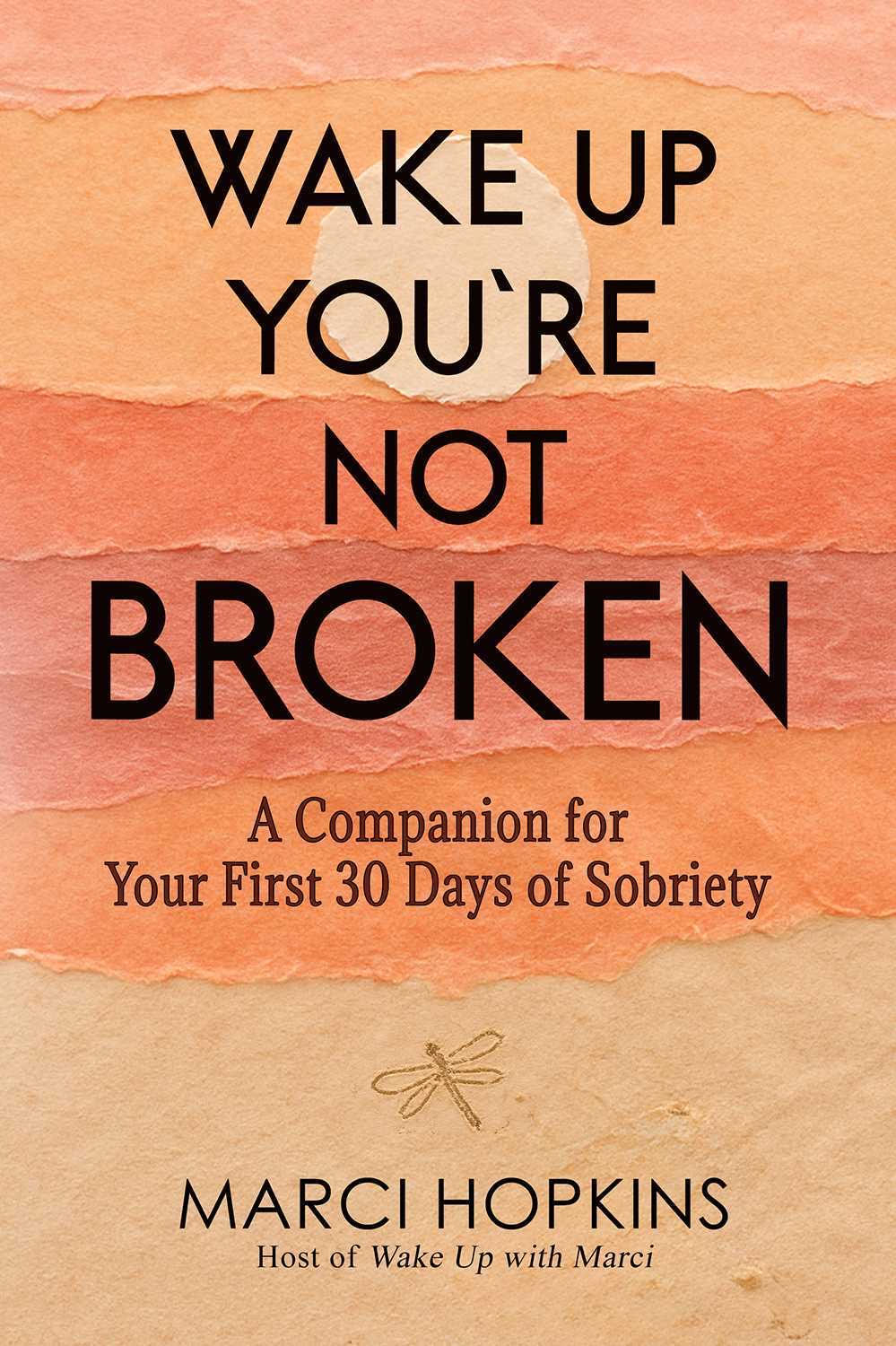
A daily, compassionate guide designed to help individuals through the physical, emotional, and spiritual challenges of early recovery.